
Lingual Braces vs Traditional Braces: Which Should You Choose?
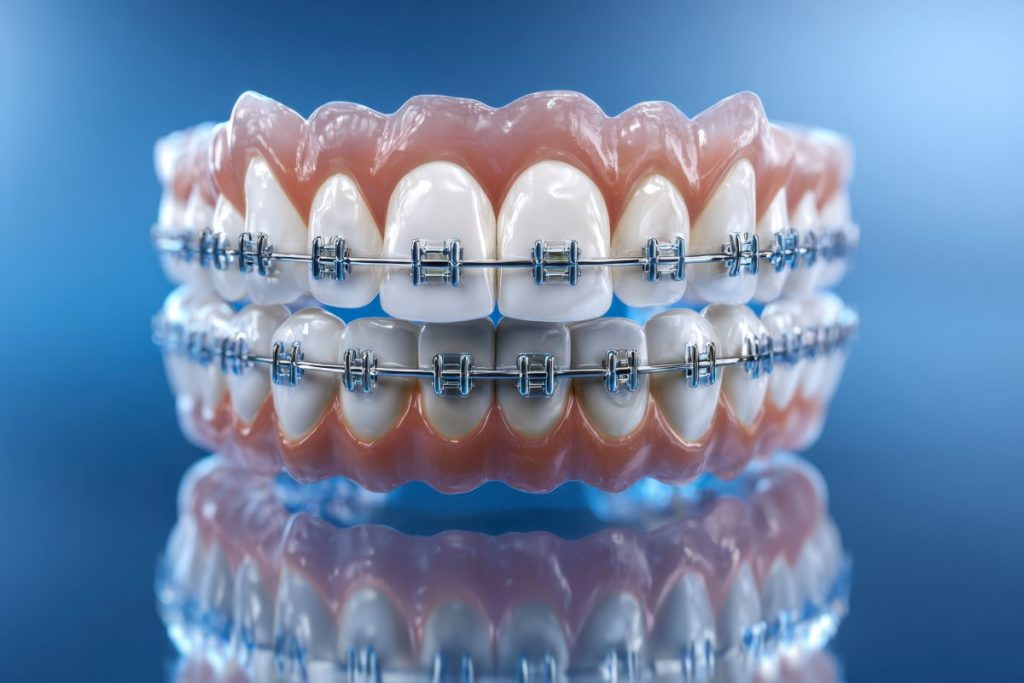
When it comes to orthodontic treatment, one of the first decisions many patients face is whether to opt for traditional braces or lingual braces. Both options are highly effective for straightening teeth and correcting bite issues, but they differ in appearance, comfort, maintenance, and suitability for different cases. Understanding these differences can help you make an informed choice that suits your dental needs, lifestyle, and personal preferences.
What Are Traditional Braces?
Traditional braces, often called fixed braces, are the most familiar type of orthodontic appliance. They consist of metal or ceramic brackets attached to the front of your teeth, connected by archwires and elastic bands. Over time, these components apply gentle pressure to move your teeth into the desired position.
Key Features of Traditional Braces:
- Visibility: Brackets are on the front of the teeth, making them noticeable when you smile. Ceramic options can reduce visibility for a more discreet appearance.
- Effectiveness: Suitable for a wide range of cases, from minor alignment issues to complex bite corrections.
- Adjustments: Regular visits are required to adjust the wires and monitor progress.
- Maintenance: Brushing and flossing require extra care to keep teeth and brackets clean.
Traditional braces are highly versatile and remain a reliable choice for both adults and children seeking predictable results.
What Are Lingual Braces?
Lingual braces are similar in function to traditional braces, but the brackets and wires are placed on the inner (tongue-facing) surfaces of the teeth, making them virtually invisible from the outside.
Key Features of Lingual Braces:
- Discreet Appearance: Because they are hidden behind the teeth, lingual braces are ideal for patients who want orthodontic treatment without visible hardware.
- Effectiveness: They can treat many of the same alignment and bite issues as traditional braces, though very complex cases may require specialist assessment.
- Adjustments: Lingual braces require precise placement and periodic adjustments, often handled by orthodontists with additional training in lingual techniques.
- Comfort & Speech: Initially, they may affect speech and tongue comfort, but most patients adapt within a few weeks.
- Maintenance: Cleaning can be more challenging due to the position of the brackets, so good oral hygiene is essential.
Comparing Lingual and Traditional Braces
To help you decide, here’s a side-by-side comparison of the key factors of these two types of braces:
Factor | Traditional Braces | Lingual Braces |
Visibility | Brackets visible on front of teeth | Virtually invisible from outside |
Suitability | Most cases, including complex bite issues | Many cases, but very complex cases may need assessment |
Comfort | Bracket irritation mainly on lips/cheeks | Bracket irritation on tongue initially; speech may be affected |
Maintenance | Brushing and flossing carefully required | More meticulous cleaning due to inner positioning |
Treatment Duration | Similar to lingual braces, varies by complexity | Similar overall, though some adjustments may be slightly longer |
Cost | Generally more affordable | Often higher due to customisation and specialist training |
Who Are They Best Suited For?

Depending on your needs, you may find that a traditional or a lingual brace is more suitable for your teeth. Of course, you should discuss this with your dentist, but here are the typical solutions depending on your age or needs:
Traditional Braces:
- Children and teenagers (especially for early or interceptive treatment).
- Patients with complex bite issues or severe crowding.
- Anyone prioritising reliable, versatile treatment over discretion.
Lingual Braces:
- Adults or older teens who prefer a discreet orthodontic option.
- Professionals concerned about the appearance of front-facing braces.
- Patients committed to thorough cleaning and follow-up appointments.
Factors to Consider Before Choosing
When deciding between lingual and traditional braces, consider the following:
- Lifestyle: If you speak frequently in public or want to minimise visible hardware, lingual braces may be appealing.
- Hygiene Commitment: Lingual braces require meticulous cleaning to prevent plaque buildup. Traditional braces are easier to maintain for some patients.
- Complexity of Case: While both systems are effective, severe bite issues or jaw alignment problems may be more straightforward to address with traditional braces.
- Cost and Accessibility: Lingual braces typically involve higher costs and require orthodontists with specialist training.
- Comfort & Adaptation: Lingual braces may take longer to get used to, particularly affecting tongue movement and speech initially. Traditional braces are usually more predictable in comfort adaptation.
For patients in London looking for guidance on both lingual and traditional braces, our experts at Boston Orthodontics can assess your individual needs and help you select the best option for your smile and lifestyle. You can book a consultation with Dr Elif Keser, our founder and consultant orthodontist, who will personally review your case, discuss treatment options, and create a plan tailored specifically to you.
Making the Right Choice for Your Smile
Both traditional and lingual braces are highly effective at straightening teeth and correcting bite issues. The best choice depends on your personal priorities, lifestyle, oral hygiene habits, and the complexity of your orthodontic needs.
Traditional braces remain a versatile and reliable option for patients of all ages, especially in more complex cases or early treatment for children. Lingual braces provide a discreet, nearly invisible alternative that appeals to adults and teens concerned about aesthetics, though they require careful maintenance and an initial adjustment period.
Ultimately, the right orthodontic treatment is the one that fits your needs, goals, and commitment level, ensuring a comfortable journey and a lasting, confident smile.
FAQs
1. How do lingual braces differ from traditional braces?
Lingual braces are placed on the inner surfaces of teeth, making them invisible from the outside, whereas traditional braces are attached to the front of teeth. Functionally, both systems move teeth effectively.
2. Are lingual braces suitable for children?
Lingual braces are generally less common for younger children due to size and complexity. Traditional braces are often preferred for paediatric cases, especially for early intervention or growth guidance.
3. Do lingual braces affect speech?
Initially, lingual braces may alter speech slightly and cause tongue irritation. Most patients adapt within a few weeks with practice and regular follow-ups.
4. Which braces are easier to clean?
Traditional braces are typically easier to clean, as the brackets are more accessible. Lingual braces require more meticulous oral hygiene due to their position on the inner surfaces of teeth.
5. How long does treatment take?
Treatment duration varies depending on the complexity of the case, age, and compliance. In general, both lingual and traditional braces have similar timelines, typically ranging from 12–24 months for most adult cases.
Book Your Dental Checkup Today
Ready to take control of your oral health? Whether it’s your first visit or a routine cleaning, regular dental checkups make all the difference. Our expert team is here to help you maintain a strong, confident smile.
MOST POPULAR TREATMENTS
Our Services

Our Doctor
Meet Doctors

Dr. Elif Keser
Dentist

Dr. Tania Rafael Garcia
Dental Surgeon

Dr. Gustavo Silva
Dental Surgeon
