
The Career Break Smile: Why Adults Are Timing Orthodontic Treatment Around Sabbaticals and Remote Work
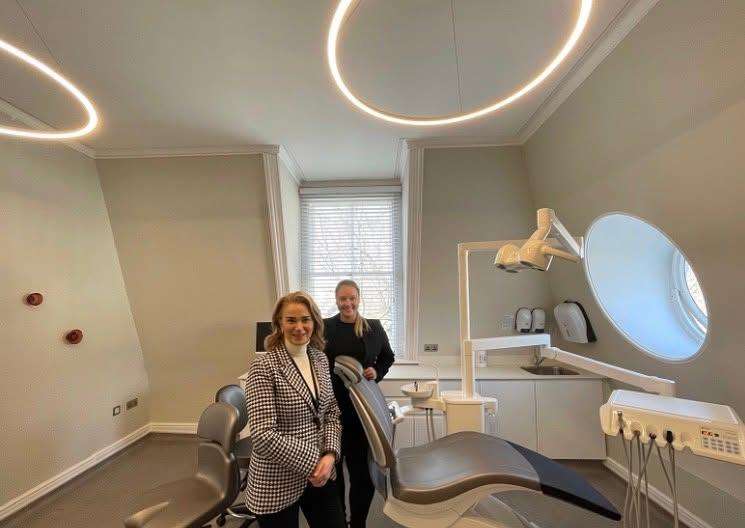
A career break used to mean travel or a rest. For a growing number of adults it now means finally starting orthodontic treatment, timed around a stretch of remote work rather than squeezed into a packed office diary. Remote work removed the single biggest practical barrier adults used to face: being seen, mid treatment, by colleagues every day.
The treatment has not changed. What has changed is that adults now have windows where starting it is convenient rather than disruptive, and an adult orthodontist is seeing more people book because of a diary rather than a dental reason.
Why timing matters more for adults than teenagers
Teenage treatment runs on the school calendar, which has flexibility built in. Adult schedules do not. Fitting adjustment appointments around meetings, managing the first week of a new appliance, and not wanting to explain any of it at work has pushed adult treatment down the list for years.
A run of remote weeks removes several of those obstacles at once. Fewer face to face meetings, more control over your own diary, no commute swallowing the appointment. This is a logistics problem, not a vanity one, and remote work solved most of it.
What an adult orthodontist actually assesses
Adult treatment differs from teenage treatment in one respect that matters. Jaw growth has finished, so movement relies entirely on repositioning teeth within the bone you already have, rather than guiding growth while it is happening. That does not make adult treatment worse or automatically slower. It does mean that certain corrections which could lean on growth in a twelve year old need a different approach at thirty five, sometimes a longer timeline, sometimes coordination with other treatment.
Every adult assessment here is carried out by Dr Elif Keser, a specialist orthodontist who has worked in orthodontics only since 1998 and spent five years on the faculty at Boston University in the US, where she remains a visiting professor. Assessment starts with a full scan of your teeth and bite, then a conversation about the realistic options: clear aligners, ceramic fixed braces, or lingual braces fitted behind the teeth where you want nothing visible at all. Which one suits your case depends on how much movement is needed, not on which is least noticeable.
How long it realistically takes
Mild cases, minor spacing or a little crowding, are often finished in around six months. Cases involving bite correction, significant crowding, or relapse from a first course of treatment where the retainer stopped being worn, generally run twelve to eighteen months and sometimes longer.
Be realistic about that before you book a specific window off. Underestimating the timeline is the most common reason people feel frustrated halfway through, and it is avoidable by asking for the number at the assessment rather than after the braces are on.
Can adults get NHS orthodontic treatment?
Rarely. NHS orthodontic treatment for adults is limited to cases with a severe functional problem, and availability varies by area even then. Most adults correcting crowding, spacing or the general look of their smile are looking at private treatment.
That is also where the scheduling flexibility comes in. A waiting list offers no control over when treatment starts, which is the one thing a sabbatical plan depends on.
How to plan it properly
See an adult orthodontist before the break starts, not during it. That gives enough lead time for the scan, an agreed plan and the first aligners or braces fitted as the quieter period begins, instead of losing three weeks of it to appointments and planning.
And do not assume treatment has to finish inside the break. Once the appliance is on, most plans run on check ins every six to eight weeks, which fit around a normal working schedule perfectly well. The break is useful for the start, not the whole course.
Where we are
We are at 2 Grosvenor Gardens on the fourth floor, two minutes from Victoria station, with patients walking in from Belgravia, Pimlico and Westminster and arriving in minutes from Chelsea, Knightsbridge, Mayfair and Marylebone. Adult treatment means appointments every six to eight weeks for a year or more, so proximity to work or home is worth weighing. We are open until 8pm on Wednesdays and Thursdays and Saturdays 9am to 5pm.
Common questions
Am I too old to start? No. There is no upper age limit as long as your gums and the bone around your teeth are healthy enough to support movement, which is the first thing an adult orthodontist checks.
Can adults get an NHS orthodontist appointment? Only where there is a clear functional need, and availability varies by area. Most adult treatment here is arranged privately.
Will people at work notice? With lingual braces, almost certainly not. With clear aligners, rarely at conversational distance. With ceramic braces, less than you expect, though they are visible close up.
What happens if my break ends before treatment does? Nothing changes. Appointments every six to eight weeks fit around a normal schedule, which is why starting during a quieter period works even when the course runs well past it.
How much does it cost? It depends on which appliance and how much movement is needed. You leave the assessment with a written plan, a timescale and a price, and full pricing is on the 2026 fees page.
Book an assessment
A consultation is £275, deducted from your treatment cost if you go ahead, and you leave with a written plan rather than a verbal estimate. Book online or call 020 3858 0068.
Boston Orthodontics, 2 Grosvenor Gardens, 4th Floor, Belgravia, London SW1W 0DH.
MOST POPULAR TREATMENTS
Our Services

Our Doctor
Meet Doctors

Dr. Elif Keser
Specialist Orthodontist

Dr. Tania Rafael Garcia
Dental Surgeon

Dr. Gustavo Silva
Dental Surgeon
