
Why Consistency Matters in Orthodontic Adjustments
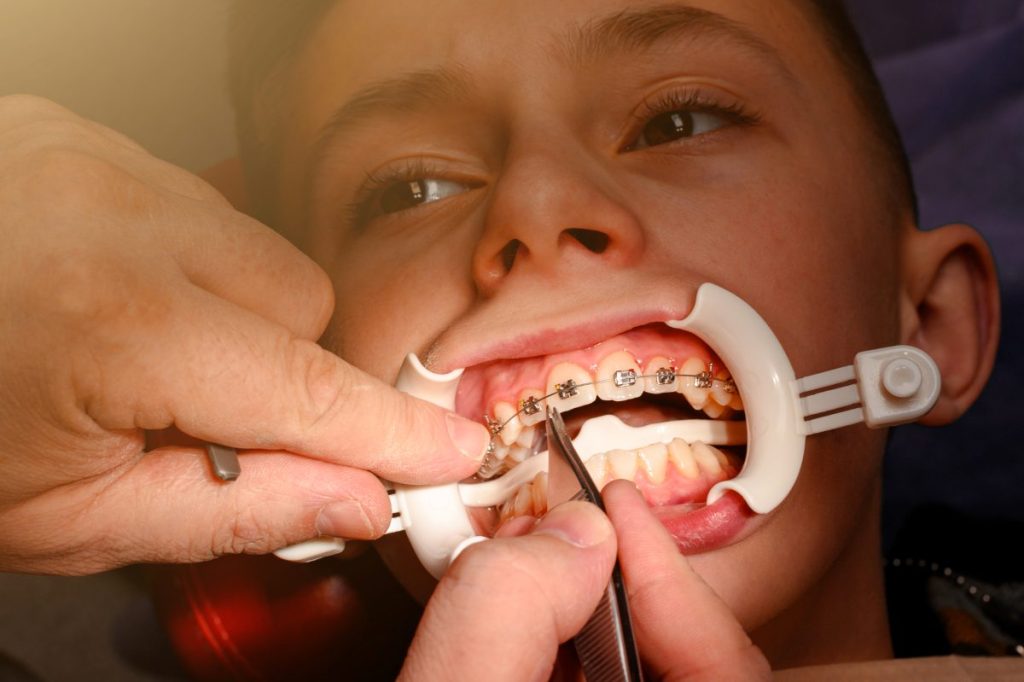
Teeth don’t move in a straight line. They move in tiny, careful increments, responding to pressure applied in a specific direction for a specific length of time, and then they need the next nudge. Miss an adjustment, delay it, or skip it entirely, and the whole biological process loses its rhythm. This is the single most underappreciated fact about orthodontic treatment: the schedule isn’t bureaucratic, it’s biomechanical.
If you’ve ever wondered why your orthodontist seems so particular about six-week intervals, this is why.
What Actually Happens During an Adjustment
An orthodontic adjustment is not simply a matter of tightening something. The wires running through your brackets are engineered with shape memory: they want to return to a particular curve, and as they do, they pull your teeth along with them. Over the course of four to six weeks, your teeth move as far as that particular wire can take them. After that, it’s done its work.
At an adjustment appointment, your orthodontist will typically replace the wire with one of a different thickness, material, or shape, depending on where you are in treatment. They might reposition brackets, add elastics, change the configuration of attachments, or swap out the ties holding the wire in place. Sometimes the visit is brief. Sometimes it involves repositioning. Either way, it’s a reset that tells your teeth what to do next.
Without that reset, you’re essentially running an old programme on tissue that has already adapted to it.
Why Skipping Appointments Slows Everything Down
Bone doesn’t move teeth; teeth move bone. The periodontal ligament around each tooth responds to sustained pressure by remodelling the surrounding bone, allowing the tooth to shift into its new position. This process is active and metabolically expensive while fresh pressure is being applied. Once that pressure plateaus, the tissue settles, and things slow to a crawl.
If you skip an appointment and leave the same wire in place for twelve weeks instead of six, you’re not getting twice the movement. You’re getting roughly the same movement as six weeks, followed by a period of very little happening. Treatment stretches out not because your orthodontist is running behind, but because biology has stopped co-operating in any meaningful way.
In more serious cases, prolonged gaps can cause the bone to start reinforcing the tooth’s current position rather than remodelling for a new one. When you do eventually come back in, you’re not picking up where you left off. You’re restarting part of a phase.
How Often Should I Go to the Orthodontist?
Most patients on fixed braces see their orthodontist every six to eight weeks. Clear aligner patients often attend less frequently, typically every eight to twelve weeks, because the trays themselves carry out the small adjustments and the in-person visit is more about checking progress and handing over new aligners.
Certain phases of treatment demand closer attention. The early stage of levelling and aligning tends to require tighter intervals. When your orthodontist is working on bite correction, closing extraction spaces, or fine-tuning the finishing details, the timing of each visit becomes even more important. These are the stages where a missed appointment is most likely to cost you months.
If your life genuinely doesn’t allow you to maintain a consistent schedule, say so. A good orthodontist will adjust the treatment plan around your circumstances rather than set you up to fail. What they can’t do is compensate for silent gaps they didn’t know were coming.
Consistency Protects More Than Just the Timeline

A treatment that drags on isn’t just frustrating; it’s riskier. The longer brackets sit on your teeth, the longer you’re at increased risk of decalcification, gingivitis, and root resorption. Brackets create zones where plaque accumulates, and no one’s brushing technique is perfect forever. Every additional month adds cumulative exposure to these risks.
There’s also the issue of patient fatigue. Treatment compliance, whether that’s wearing elastics, keeping aligners in for twenty-two hours a day, or actually flossing, tends to decay over time. Most patients are excellent in months one to six, reasonable in months six to twelve, and variable after that. Finishing on schedule is partly about protecting you from your own waning enthusiasm.
Does Missing One Appointment Really Matter?
One missed appointment, rescheduled promptly, is usually not a disaster. Your orthodontist builds some tolerance into the plan because they know real life happens: flu, work travel, a funeral, a school trip. A week or two of slippage can generally be absorbed.
The issue is pattern, not incident. Missing one appointment and rebooking within a fortnight is fine. Missing one, rescheduling, missing the next, rescheduling again, and quietly adding three months to your total treatment time is where trouble starts. By the time you notice it’s happening, you’ve already lost ground.
If you do miss an appointment, reschedule the same day rather than letting it drift. The urgency isn’t about being a good patient; it’s about not letting the biology go cold.
When Speed Genuinely Matters
Some patients have hard deadlines: a wedding, emigration, a new job with heavy client-facing demands, or a university course starting abroad. In these cases, consistency matters more than ever, but there are also techniques that can compress treatment time without compromising outcomes. Accelerated options involve devices or techniques designed to speed up bone remodelling, and while they aren’t right for every case, they’re worth asking about if your timeline is tight.
For patients who need results faster than conventional braces allow, our accelerated orthodontic treatment options can shave months off an overall plan, but they still rely on the same underlying principle: steady, well-timed pressure applied consistently. No technology replaces the appointment schedule. It just lets each appointment do more work.
The Adjustment Visit Is Where Problems Get Caught
Beyond the mechanical work, adjustment appointments are when small issues get spotted before they become big ones. A bracket that’s drifted out of position. A tooth that isn’t responding as expected. Early signs of gum irritation, root shortening on an X-ray, or a bite that’s developing in a way the original plan didn’t predict.
These things can be corrected easily in the chair at week six. At week sixteen, after you’ve finally returned from a long absence, they’ve usually compounded into something that requires more time, more effort, and occasionally a revised treatment plan.
If you’re considering advanced orthodontics in London for adults and teens, the treatment technology has moved on significantly in the last decade, but the biology hasn’t. Consistency remains the single biggest predictor of how close your finished result will be to the one you were shown on day one.
Book Your Dental Checkup Today
Ready to take control of your oral health? Whether it’s your first visit or a routine cleaning, regular dental checkups make all the difference. Our expert team is here to help you maintain a strong, confident smile.
MOST POPULAR TREATMENTS
Our Services

Our Doctor
Meet Doctors

Dr. Elif Keser
Dentist

Dr. Tania Rafael Garcia
Dental Surgeon

Dr. Gustavo Silva
Dental Surgeon
