
Is It Too Late to Straighten Your Teeth as an Adult?
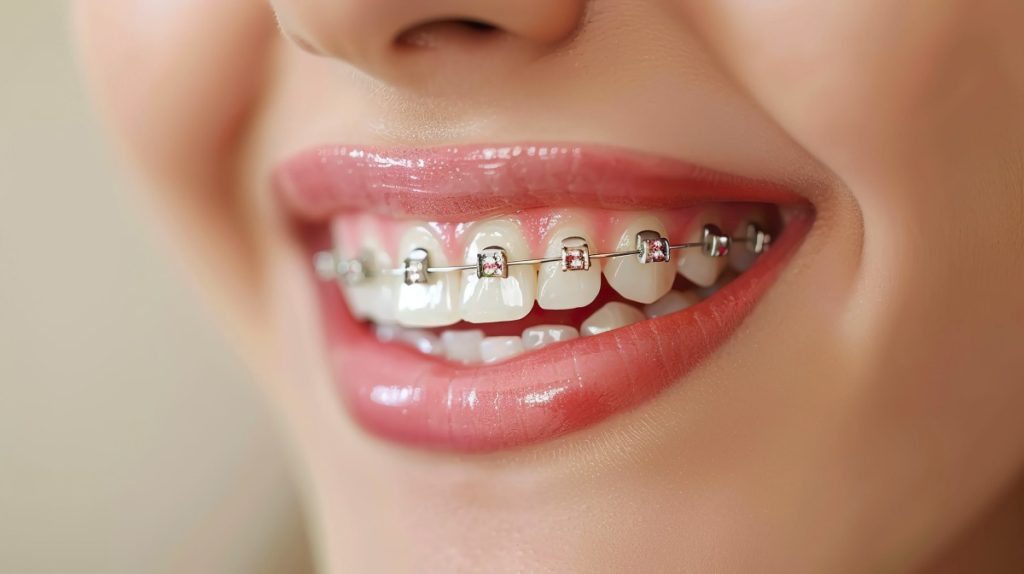
There is a common misconception floating around that orthodontic work is a “coming-of-age” ritual, something relegated to the awkward years of secondary school. We tend to associate braces with growth spurts and school uniforms, but the biological reality is that teeth can be moved at almost any age, provided your gums and bone structure are healthy.
If you’ve spent years hiding your smile in photos, you aren’t “past it.” In fact, our specialist orthodontics clinic in London sees an increasing number of patients in their 40s, 50s, and beyond who are finally prioritising their dental health.
The Science of Mature Bone
While it’s true that a teenager’s jaw is still developing – making it slightly easier to guide the bite into place – adult bone is perfectly capable of remodeling. The process of moving a tooth involves applying steady pressure, which causes the bone to break down and rebuild itself around the new position. This works whether you are fifteen or sixty-five.
The main difference is that adult treatment might take a touch longer because the bone is more dense and no longer growing. However, adults are typically much better at following instructions regarding hygiene and aligner wear-time, which often balances out the biological head start that kids have. When it comes to getting braces as an adult, the results are just as stable and transformative as they are for younger patients.
Health Beyond Just Aesthetics
Many adults seek treatment because they want to fix a “crooked” look, but the functional benefits are often more important for long-term health. Overcrowded or misaligned teeth are notoriously difficult to clean properly, creating tight nooks where plaque loves to hide, which eventually leads to decay or gum disease as we age.
Straightening your teeth isn’t just a cosmetic upgrade; it’s a preventative measure against tooth loss and expensive restorative work down the line. By aligning the bite, you also reduce uneven wear on your tooth enamel and can even alleviate some issues related to jaw pain or persistent headaches caused by a “bad” bite.
Modern Options for the Mature Patient
The “metal mouth” stigma is largely a thing of the past, as modern technology has introduced various ways to straighten teeth without everyone in the office noticing. Clear aligners have become the gold standard for adults who want to maintain a professional appearance while their teeth shift into place.
For those with more complex structural issues that require fixed appliances, ceramic brackets offer a much more subtle look than traditional stainless steel. These options mean you don’t have to sacrifice your dignity or your social life to get the smile you’ve always wanted – most people won’t even realise you’re undergoing treatment unless you point it out.
Managing Existing Dental Work

A common concern for older adults is whether previous dental work, like crowns, bridges, or fillings, will interfere with orthodontic movement. While a dental implant cannot be moved because it is fused directly to the bone, your orthodontist can usually work around it, using the implant as a stable anchor for moving other teeth.
If you have crowns or large fillings, we simply use different bonding agents to ensure the brackets stay secure. It’s a bit more “bespoke” than treating a teenager with a blank canvas of natural teeth, but it’s a challenge that modern orthodontics is well-equipped to handle through personalised digital treatment planning.
The Psychological Shift
There is something incredibly powerful about finally fixing a physical trait that has bothered you for decades. I’ve noticed that adult patients often experience a significant boost in self-esteem that impacts their careers and social interactions almost immediately after the hardware comes off.
You stop thinking about how to position your lips when you laugh and start focusing on the conversation itself. That freedom from self-consciousness is worth the investment at any age, and honestly, you’re never too old to start enjoying the benefits of a healthy, functional, and attractive smile.
FAQs
Am I too old for braces if I have existing crowns or bridges?
Not at all. While a bridge or an implant cannot be moved, they can often be used as stable anchors to help move the surrounding natural teeth. Your orthodontist will simply adjust the bonding techniques used to ensure the brackets stay secure on your restorative dental work.
Does adult treatment take longer than teenage treatment?
It can take slightly longer because adult bone is denser and no longer growing, which means the remodeling process happens at a more measured pace. However, because adults are typically more diligent with their oral hygiene and follow-up care, the difference in total treatment time is often negligible.
Will straightening my teeth help with jaw pain or headaches?
In many cases, yes. If your headaches are caused by a misaligned bite (malocclusion) that puts undue stress on your jaw joints and muscles, correcting that alignment can provide significant relief. It’s always worth discussing these symptoms during your initial consultation.
Book Your Dental Checkup Today
Ready to take control of your oral health? Whether it’s your first visit or a routine cleaning, regular dental checkups make all the difference. Our expert team is here to help you maintain a strong, confident smile.
MOST POPULAR TREATMENTS
Our Services

Our Doctor
Meet Doctors

Dr. Elif Keser
Dentist

Dr. Tania Rafael Garcia
Dental Surgeon

Dr. Gustavo Silva
Dental Surgeon
