
Tooth Pain When Biting: What It Means and When to Get It Checked
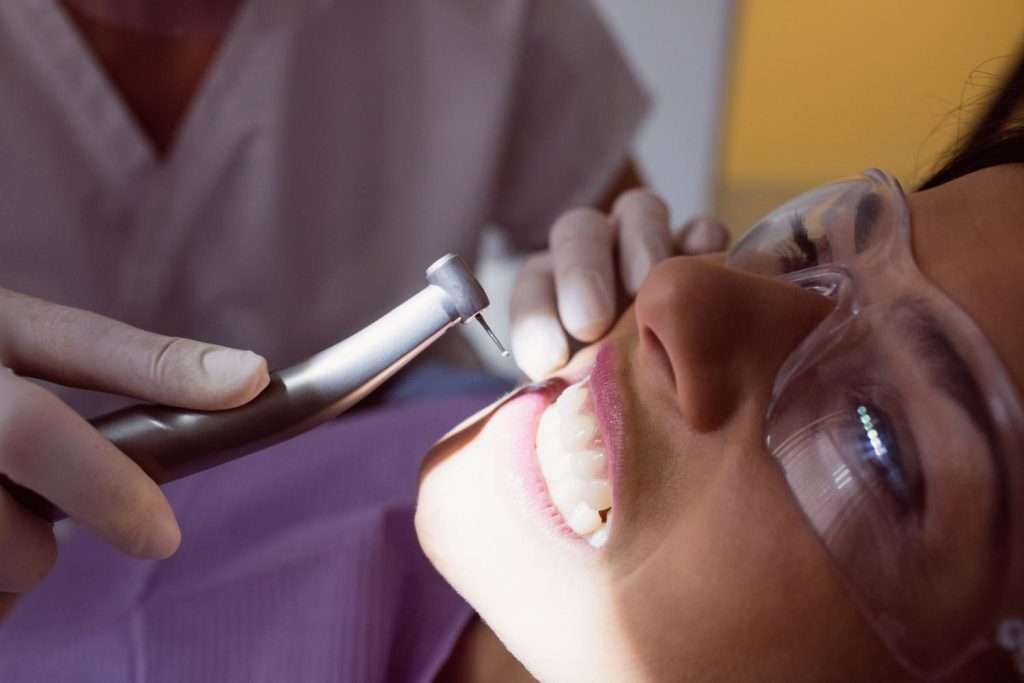
Most toothache gives you warning. It builds, or it flares with something cold. Pain that only arrives when you bite down is different, and it usually points at something specific: a crack, decay that has reached deep, inflammation around the root, or a filling sitting a fraction too high.
A tooth that feels completely normal until you put pressure on it is telling you something. With tooth pain when biting, the useful part is not the pain itself but the pattern, because the pattern is what separates a high filling from a cracked tooth.
Why a tooth hurts when you bite down
Biting sends force straight through the tooth and into the bone around it. If anything along that path is compromised, pressure finds it. The usual causes:
- Decay that has reached the deeper layers, close to the nerve.
- A crack, often too fine to see, that flexes slightly under load.
- Inflammation around the root, which makes the whole tooth tender to any force.
- A filling or crown sitting slightly high, so one tooth takes more of the bite than it should.
- Clenching or grinding, which loads the same teeth repeatedly, night after night.
That last one is the most commonly missed. If you are putting extra force through your teeth overnight without knowing it, the tooth can hurt on biting with nothing structurally wrong at all. Our bruxism page covers what that looks like and what can be done about it.
The crack that nobody can see
A cracked tooth is the most common reason people come in with this exact complaint, and it is the hardest one to confirm by looking. Cracks that cause pain on biting are frequently invisible to the naked eye and do not always show on an x-ray.
The giveaway is usually the release rather than the bite. Clamping down on something hard feels uncomfortable. Letting go produces a sharp, brief jolt. That pattern, pain on release, is worth mentioning the moment you notice it, because it narrows the diagnosis considerably.
Cracks also tend to be inconsistent. One day the tooth is fine, the next it is sharp with the same food. People read that inconsistency as the problem settling down. It usually means the crack is only catching at certain angles.
How to describe it so it gets diagnosed faster
Pain on biting is a symptom, not a diagnosis, and the same symptom covers decay, infection, gum inflammation and a bite that has shifted after previous dental work. What narrows it down is detail. Before your appointment, note:
- Which tooth, as precisely as you can point to it.
- Sharp or dull, and whether it is brief or lingers afterwards.
- On contact or on release.
- Whether temperature sets it off too, hot, cold, or both.
- Whether anything changed recently, particularly a new filling, crown or night-time clenching.
Five sentences of that detail is worth more than any amount of guessing at home.
When tooth pain when biting should be checked
One uncomfortable bite on an olive stone is not a reason to book. These are:
- The pain keeps coming back on the same tooth.
- It is getting sharper, or happening more often.
- There is swelling, a bad taste, or anything else suggesting infection.
- The tooth has felt different since recent dental work. A high filling or inlay is a quick adjustment, and leaving it is not.
A cracked tooth caught early is often a crown. The same crack left to run can reach the nerve and become root canal treatment, or lose the tooth entirely. The gap between those two outcomes is measured in weeks, not years, which is the whole argument for going early.
Where we are
We are at 2 Grosvenor Gardens on the fourth floor, two minutes from Victoria station, and we see patients from Belgravia, Pimlico and Westminster on foot, and from Chelsea, Knightsbridge and Mayfair in minutes. General dentistry runs alongside the orthodontics here, so a sore tooth does not need a second practice. We are open until 8pm on Wednesdays and Thursdays and Saturdays 9am to 5pm.
Common questions
Why does my tooth only hurt when I bite? Because pressure is reaching something that is otherwise quiet: a crack, deep decay, inflammation around the root, or a restoration sitting slightly proud of the bite.
Can a cracked tooth cause pain when chewing? Yes, and it is one of the most common causes. The crack flexes under load, and many people notice the sharpest jolt on release rather than on the bite itself.
Does pain on biting always mean a crack? No. Decay, infection, gum inflammation and an uneven bite after previous dental work all produce the same symptom.
Can grinding my teeth cause this? It can, on its own, with no crack involved. Repeated overnight force makes teeth tender to pressure during the day.
Should I wait and see if it settles? Not if it keeps returning on the same tooth. Pain on biting rarely resolves itself, and the treatment gets larger the longer it runs.
Get it looked at
We would rather see a tooth while the options are still simple. Call 020 3858 0068 or book an assessment online.
Boston Orthodontics, 2 Grosvenor Gardens, 4th Floor, Belgravia, London SW1W 0DH. Full pricing on the 2026 fees page.
MOST POPULAR TREATMENTS
Our Services

Our Doctor
Meet Doctors

Dr. Elif Keser
Specialist Orthodontist

Dr. Tania Rafael Garcia
Dental Surgeon

Dr. Gustavo Silva
Dental Surgeon
