
What Makes Crooked Teeth A Serious Health Risk?
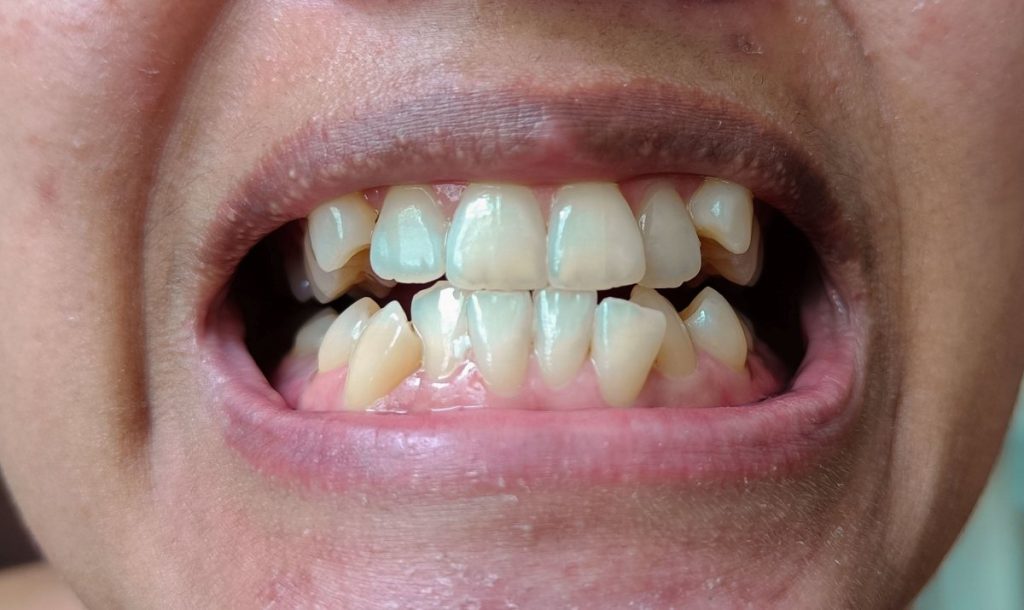
Crooked teeth affect far more than your appearance. Whilst many people focus on the aesthetic concerns – and those are valid – the health implications often go unrecognised until problems develop. Misaligned teeth create conditions that compromise oral health in ways that extend well beyond cosmetic considerations.
The Oral Hygiene Challenge
Teeth that overlap, twist, or sit at odd angles create cleaning difficulties that daily brushing and flossing can’t fully address. Toothbrush bristles simply can’t reach tight spaces between crowded teeth. Dental floss struggles to navigate irregular gaps.
These inaccessible areas become repositories for food particles and bacteria. Plaque accumulates in spots you can’t effectively clean, regardless of how conscientious your oral hygiene routine might be. Over time, this persistent plaque hardens into tartar, which requires professional removal.
The bacterial buildup leads directly to tooth decay. Cavities develop in areas where cleaning proves impossible. What starts as minor decay can progress to deep cavities requiring fillings, crowns, or even root canal treatment. In severe cases, teeth become so damaged they require extraction.
Gum Disease Develops More Easily
Gum disease represents one of the most significant health problems linked to crooked teeth. When plaque accumulates along the gumline – particularly in the hard-to-reach areas created by misalignment – inflammation develops.
Gingivitis, the earliest stage of gum disease, causes swollen, bleeding gums. Left untreated, it progresses to periodontitis, where the infection spreads deeper into the supporting structures of your teeth. The bone and connective tissue that hold teeth in place begin deteriorating.
Advanced periodontal disease causes tooth mobility and eventual tooth loss. The process rarely announces itself dramatically. Instead, it progresses gradually, often painlessly, until significant damage has occurred. By the time people notice symptoms, considerable harm may already exist.
Research has also linked periodontal disease to systemic health conditions including cardiovascular disease, diabetes complications, and respiratory infections. The bacteria from infected gums can enter the bloodstream, potentially affecting overall health beyond the mouth.
Excessive Wear and Tear
Properly aligned teeth distribute biting forces evenly across all teeth. Crooked teeth create uneven pressure patterns. Certain teeth bear disproportionate force during chewing, leading to accelerated wear.
This uneven wear manifests in several ways. Enamel thins more rapidly on teeth experiencing excessive force. Chewing surfaces flatten abnormally. Edges chip more easily. Over years, this premature wear can cause teeth to become sensitive, weakened, or require restoration.
Jaw joints also suffer when teeth don’t meet correctly. The temporomandibular joint (TMJ) works harder to compensate for misalignment, potentially leading to TMJ disorders. Symptoms include jaw pain, clicking or popping sounds when opening your mouth, headaches, and difficulty chewing.
Difficulty Eating and Speaking
Severe misalignment can impair basic functions. Chewing becomes less efficient when teeth don’t properly meet and grind food. This forces you to either swallow larger food particles, which affects digestion, or avoid certain foods entirely, potentially limiting nutritional intake.
Speech can also be affected. Certain sounds require precise tongue positioning against teeth. Significant misalignment, particularly involving front teeth, can cause speech impediments or pronunciation difficulties. Children with severe malocclusion may develop speech patterns that persist into adulthood if the underlying dental issue remains unaddressed.
Increased Risk of Dental Injuries

Protruding or crooked front teeth are more vulnerable to trauma. Sports injuries, accidental falls, or impacts that wouldn’t necessarily damage properly positioned teeth can fracture, chip, or completely knock out teeth that stick out beyond the normal profile.
This vulnerability extends to everyday situations. Even minor bumps that wouldn’t affect aligned teeth can cause damage when teeth protrude or sit at unusual angles. The financial and emotional cost of repairing traumatic dental injuries can be substantial.
Bone Loss and Structural Changes
Teeth need proper stimulation to maintain the surrounding bone. When teeth are severely misaligned or missing due to crowding-related extractions, the jawbone in those areas doesn’t receive adequate stimulation during chewing.
Without this stimulation, bone resorption occurs. The bone gradually deteriorates and shrinks. This process can alter facial structure over time, creating a prematurely aged appearance. It also complicates future dental work, as procedures like dental implants require sufficient bone density.
The Psychological Impact
Whilst not strictly a physical health risk, the psychological effects of crooked teeth shouldn’t be dismissed. Many people with significant misalignment feel self-conscious about their smile, affecting confidence in social and professional settings.
Some avoid smiling or covering their mouth when laughing. Others experience genuine anxiety in situations requiring close interaction with others. This emotional burden can impact quality of life, relationships, and even career opportunities.
Addressing the Risks
The good news? Most of these health risks are preventable through orthodontic treatment. Modern orthodontics offers diverse options – from traditional braces to clear aligners – that can address misalignment regardless of age.
Treatment doesn’t just improve appearance. It fundamentally reduces health risks by creating conditions where effective oral hygiene becomes possible, bite forces distribute properly, and jaw function normalises. Expert orthodontic care for children and adults can address these issues before they progress to more serious complications.
Understanding the causes behind your teeth shifting over time also helps, as some misalignment develops gradually rather than being present from childhood. Regular dental check-ups allow early identification of developing problems, when intervention is often simpler and more effective.
The Bottom Line
The question isn’t whether crooked teeth pose health risks – they clearly do. The question is whether addressing those risks sooner rather than later makes sense for your long-term oral health and overall wellbeing.
Book Your Dental Checkup Today
Ready to take control of your oral health? Whether it’s your first visit or a routine cleaning, regular dental checkups make all the difference. Our expert team is here to help you maintain a strong, confident smile.
MOST POPULAR TREATMENTS
Our Services

Our Doctor
Meet Doctors

Dr. Elif Keser
Dentist

Dr. Tania Rafael Garcia
Dental Surgeon

Dr. Gustavo Silva
Dental Surgeon
