
Fixed Braces vs Removable Braces: Pros and Cons
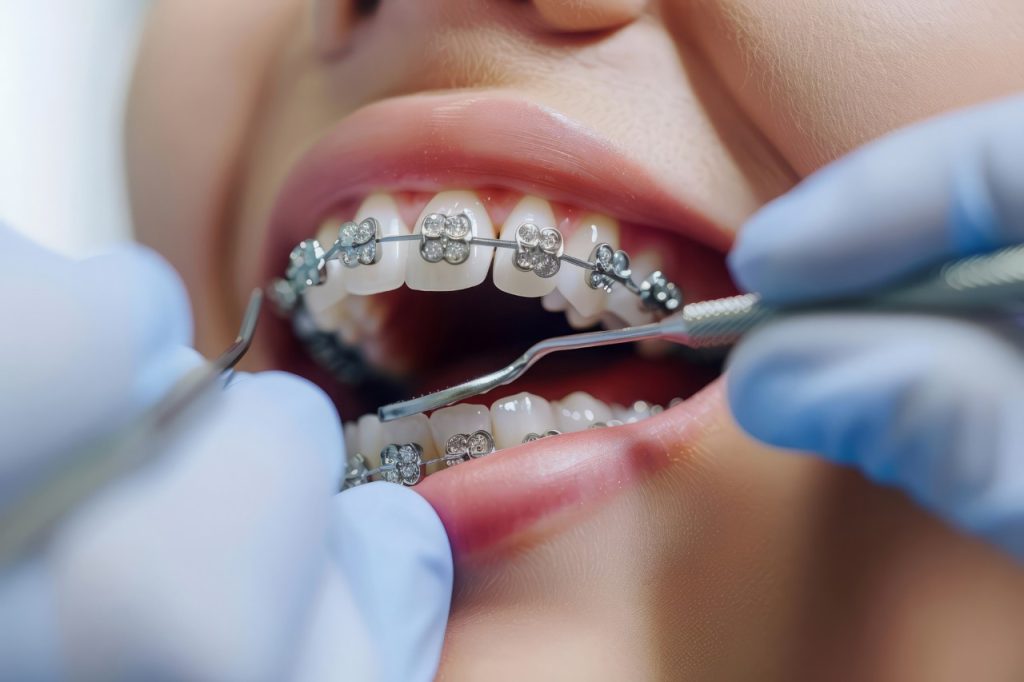
Orthodontic treatment has shifted dramatically over the past decade. Patients aren’t restricted to the classic metal brackets anymore; the range of options is broader, subtler, and often more comfortable. Yet the choice between fixed braces and removable braces remains one of the most debated. Each has its merits – and its compromises. Knowing which option suits your lifestyle and expectations isn’t straightforward, but understanding the nuances can make the decision less daunting.
What Are Fixed Braces?
Fixed braces, often associated with the traditional train-track appearance, are attached to the teeth for the entire duration of treatment. They consist of brackets, wires, and elastic bands that gradually shift teeth into alignment. Not only are they highly effective, but they can also treat complex orthodontic issues that removable alternatives sometimes can’t.
As teeth correction experts, we’d say the main advantage is consistency. Because they’re always in place, they’re constantly applying pressure. There’s no chance of forgetting to wear them – compliance isn’t a factor. But the downside is equally obvious: they’re visible, they can feel restrictive, and maintenance is more demanding. Food can get caught easily, and certain snacks are simply off the menu.
How Do Removable Braces Work?
Removable braces are a more modern innovation, often designed as clear aligners that fit snugly over the teeth. They’re taken out for meals and brushing, which means no dietary limitations and easier hygiene. For many adults, this convenience is hard to ignore. Not only are they discreet, but they also offer a level of flexibility that fixed braces can’t match.
Still, there’s a catch. The success of removable braces depends on the wearer’s discipline. They need to be worn 20–22 hours a day to be effective. Missed hours mean slower results or, worse, setbacks. And while they work beautifully for mild to moderate cases, they might struggle with severe misalignments.
Pros Of Fixed Braces
Fixed braces remain popular for good reason. Their ability to correct significant orthodontic challenges – such as rotated teeth, severe crowding, or large gaps – is unmatched. The treatment is meticulously controlled by an orthodontist, ensuring consistent adjustments and precise movements.
- Effectiveness for complex cases – Fixed braces can achieve results that removable systems sometimes can’t replicate.
- Predictable outcomes – There’s less room for human error since they can’t be removed by the patient.
- Variety of types – Modern fixed braces include ceramic and lingual options, making them less visible.
Of course, with these strengths come sacrifices. They’re harder to clean around, adjustments can cause temporary discomfort, and aesthetic concerns still linger despite newer designs.
Pros Of Removable Braces

Removable braces – clear aligners being the most recognised form – are often favoured by adults and professionals. They blend into daily life with minimal disruption. You can eat whatever you want, remove them for photos or big events, and maintain oral hygiene with ease.
Another point worth noting is comfort. Unlike brackets and wires, aligners are smooth and less likely to irritate cheeks or gums. They also require fewer in-person adjustments, which suits busy schedules.
Yet this flexibility has a flipside. Misplacing a set, skipping wear time, or forgetting to swap to the next tray in sequence can lead to setbacks. They’re not indestructible either – hot drinks, for instance, can warp the material.
Cost Considerations
Cost is a decisive factor for many. Generally, fixed braces are less expensive upfront compared to high-end removable aligner treatments, although this isn’t a universal rule. Removable systems may have higher laboratory costs and rely on multiple custom trays throughout treatment.
Insurance and financing options vary, but it’s worth weighing the value of convenience and aesthetics against pure cost. Some patients find that paying a premium for removable braces is justified by the lifestyle benefits alone.
And there’s something else – maintenance costs. Fixed braces may require fewer replacements if you’re prone to losing things, whereas a lost aligner tray might mean additional fees.
Comfort And Lifestyle Impact
Comfort is subjective, but many people find the initial adjustment period with fixed braces more challenging. The brackets can rub, wires can poke, and regular tightening can lead to soreness. With removable braces, the pressure is more gradual.
Lifestyle-wise, the difference is stark. Fixed braces demand more attention to diet and cleaning. Removable braces, however, can feel intrusive in other ways – remembering to take them out before every snack, cleaning them on the go, and ensuring they’re not forgotten in a napkin at a café.
The Bottom Line
Ultimately, when it comes to comparing different types of braces, choosing between fixed and removable ones isn’t as simple as asking which one is “better.” It’s about which one fits. Fixed braces excel at tackling complex dental challenges and require no daily willpower. Removable braces, on the other hand, offer subtlety and freedom – provided you commit to wearing them as directed.
Your best choice is going to depend on a balance of lifestyle, budget, and treatment goals. Take the time to evaluate both paths, ask questions, and weigh the trade-offs. The right orthodontic plan isn’t just about achieving a perfect smile – it’s about getting there in a way that suits your life.
Book Your Dental Checkup Today
Ready to take control of your oral health? Whether it’s your first visit or a routine cleaning, regular dental checkups make all the difference. Our expert team is here to help you maintain a strong, confident smile.
MOST POPULAR TREATMENTS
Our Services

Our Doctor
Meet Doctors

Dr. Elif Keser
Dentist

Dr. Tania Rafael Garcia
Dental Surgeon

Dr. Gustavo Silva
Dental Surgeon
