
Surgeon vs Dentist for Wisdom Tooth Removal: 7 Key Differences Patients Should Consider
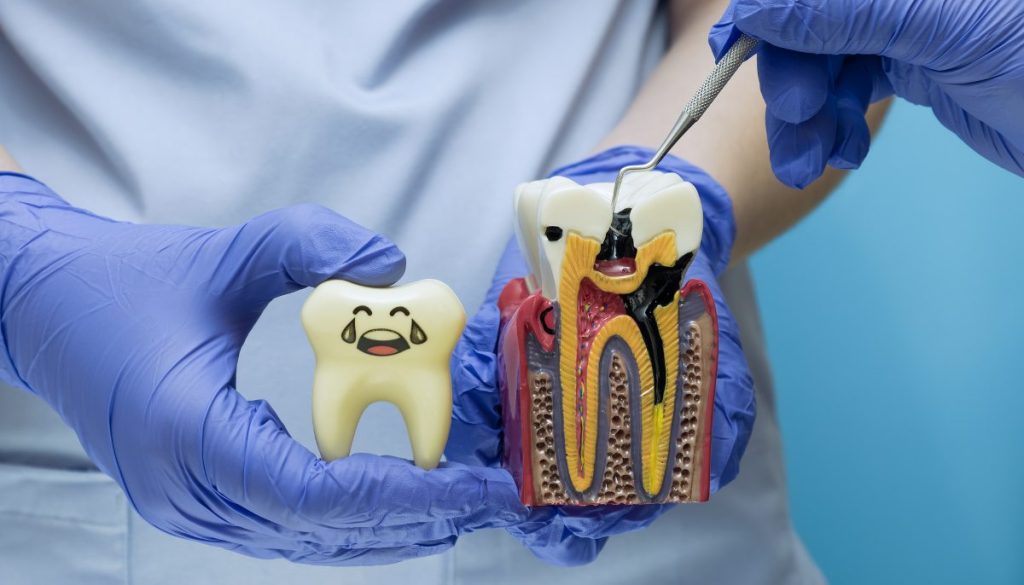
Wisdom tooth removal is one of the most common oral surgery procedures carried out in the UK, but it is also one that patients often feel uncertain about. One of the most frequent questions is whether treatment should be carried out by a general dentist or an oral surgeon.
In reality, both can perform extractions safely in the right circumstances. The key difference lies in case complexity, surgical training, and the level of intervention required. Understanding when each option is appropriate helps patients make a more informed and confident decision.
1. Level of Surgical Training
The most fundamental difference between a dentist and an oral surgeon is the level of surgical training completed after dental qualification.
A general dentist is trained to carry out routine dental procedures, including straightforward extractions. An oral surgeon, however, has completed additional specialist training focused specifically on surgical procedures involving teeth, bone, and soft tissue.
Key distinctions:
- General dentists handle routine and uncomplicated extractions
- Oral surgeons are trained in complex surgical removal techniques
- Surgeons routinely manage impacted, buried, or angled wisdom teeth
- Additional training includes management of surgical complications
This difference becomes particularly important when teeth are not fully erupted or are positioned close to nerves.
2. Complexity of the Wisdom Tooth Position
Not all wisdom teeth are the same. Some erupt fully and are easily accessible, while others remain partially or fully impacted within the jawbone.
Dentists typically manage:
- Fully erupted wisdom teeth
- Teeth with straightforward root structure
- Cases where extraction forceps alone are sufficient
Oral surgeons are more likely to treat:
- Horizontally impacted wisdom teeth
- Teeth trapped beneath the gum or bone
- Cases involving curved or complex root anatomy
- Teeth positioned close to the inferior alveolar nerve
The deeper or more complex the positioning, the more likely surgical expertise will be required.
3. Use of Surgical Techniques
A key difference lies in the techniques used to remove the tooth. While simple extractions involve loosening and removing the tooth with forceps, surgical extractions may require more advanced methods.
General dentists may use:
- Standard forceps extraction
- Simple elevation and loosening techniques
- Local anaesthetic only procedures
Oral surgeons may use:
- Surgical incisions in the gum
- Removal of small sections of bone if necessary
- Sectioning of the tooth into smaller pieces for easier removal
- Sutures (stitches) to close the site after extraction
These techniques are typically reserved for more complex or impacted cases.
4. Risk Management and Complication Handling
All extractions carry some level of risk, but complexity increases the likelihood of complications such as nerve irritation, prolonged bleeding, or difficulty removing the tooth.
Oral surgeons are specifically trained to manage higher-risk situations, including:
- Teeth positioned near major nerves
- Excessive bleeding during or after extraction
- Complex root fractures during removal
- Post-operative infection or delayed healing
While general dentists are fully capable of handling uncomplicated cases, surgical specialists are typically preferred when risk levels are higher.
5. Anaesthesia and Sedation Options

Both dentists and oral surgeons can administer local anaesthetic, but surgical settings often provide broader sedation options depending on complexity and patient anxiety.
Typical differences include:
- Dentists: local anaesthetic for routine extractions
- Oral surgeons: local anaesthetic, intravenous (IV) sedation, or referral for general anaesthetic if required
Sedation options are particularly useful for:
- Multiple wisdom tooth extractions in one visit
- Highly anxious patients
- Complex surgical removals requiring longer procedure times
The availability of sedation often depends on the clinical setting rather than the clinician alone.
6. Recovery Time and Post-Operative Care
Recovery after wisdom tooth removal depends more on the complexity of the procedure than who performs it, but surgical extractions often involve more post-operative care.
Simple extractions performed by a dentist typically involve:
- Minimal swelling or discomfort
- Faster healing time
- Fewer post-operative instructions
Surgical extractions performed by a specialist may involve:
- More noticeable swelling for a few days
- Sutures that may need removal or dissolve naturally
- Longer healing period due to bone or gum involvement
- More detailed aftercare instructions to support healing
In both cases, following post-operative guidance is essential for reducing complications.
7. Referral Pathways and When a Surgeon Is Recommended
In many cases, patients do not choose between a dentist and a surgeon directly. Instead, the dentist will assess the tooth and determine whether referral is necessary based on complexity.
Referral is typically recommended when:
- X-rays show deep impaction or proximity to nerves
- Extraction is likely to require surgical intervention
- There is a higher risk of complications
- Previous extraction attempts have been unsuccessful
For straightforward cases, treatment can often be completed directly within a general dental setting.
Wisdom Tooth Assessment and Surgical Planning at Boston Orthodontics
Although wisdom tooth removal is a surgical procedure rather than orthodontic treatment, it can be an important consideration in overall dental planning – particularly for patients who have undergone orthodontic treatment or are preparing for it.
At Boston Orthodontics, careful assessment of wisdom teeth is often included as part of a wider evaluation of bite stability and long-term alignment. In some cases, monitoring eruption patterns helps anticipate whether future extraction may be beneficial to protect orthodontic results.
With over 25 years of clinical experience in London, our team is led by expert Dr Elif Keser, who takes a preventative approach, ensuring that wisdom teeth are considered within the broader context of long-term dental health.
- Assessment of wisdom tooth eruption as part of orthodontic planning
- Early identification of potential impaction or crowding risk
- X-ray review to evaluate positioning relative to surrounding teeth
- Guidance on whether referral for extraction may be appropriate
- Consideration of wisdom teeth in long-term retention and stability planning
- Coordination with oral surgery services where extraction is required
- Focus on protecting orthodontic outcomes after treatment completion
While surgical removal itself should be carried out by dental surgeons, early orthodontic assessment can play an important role in identifying when intervention may be beneficial.
Get friendly, empathetic treatment, no matter your needs, with Boston Orthodontics.
Choosing the Right Professional for the Job
Wisdom tooth removal is not a one-size-fits-all procedure. While many extractions can be safely completed by a general dentist, more complex cases often benefit from the additional training and surgical expertise of an oral surgeon.
The most appropriate choice depends on tooth position, complexity, and risk factors identified during clinical assessment. In many cases, the initial dental examination will determine the safest and most effective pathway for treatment.
FAQs
1. Do all wisdom teeth need to be removed?
No. Only wisdom teeth causing pain, infection, or orthodontic or functional issues typically require removal.
2. Is it better to see a surgeon for wisdom teeth?
Not always. Simple extractions are often safely performed by a dentist, while complex cases may require a surgeon.
3. Is wisdom tooth removal painful?
The procedure is carried out under anaesthetic, so pain is minimal during treatment. Some discomfort may occur during recovery.
4. How long does recovery take?
Simple extractions may heal within a few days, while surgical cases can take one to two weeks for initial recovery.
5. Will I need stitches?
Not always. Stitches are usually only required for surgical extractions where the gum has been opened.
Book Your Dental Checkup Today
Ready to take control of your oral health? Whether it’s your first visit or a routine cleaning, regular dental checkups make all the difference. Our expert team is here to help you maintain a strong, confident smile.
MOST POPULAR TREATMENTS
Our Services

Our Doctor
Meet Doctors

Dr. Elif Keser
Dentist

Dr. Tania Rafael Garcia
Dental Surgeon

Dr. Gustavo Silva
Dental Surgeon
