
Porcelain Veneers vs Composite Bonding: Which Is Right for You?
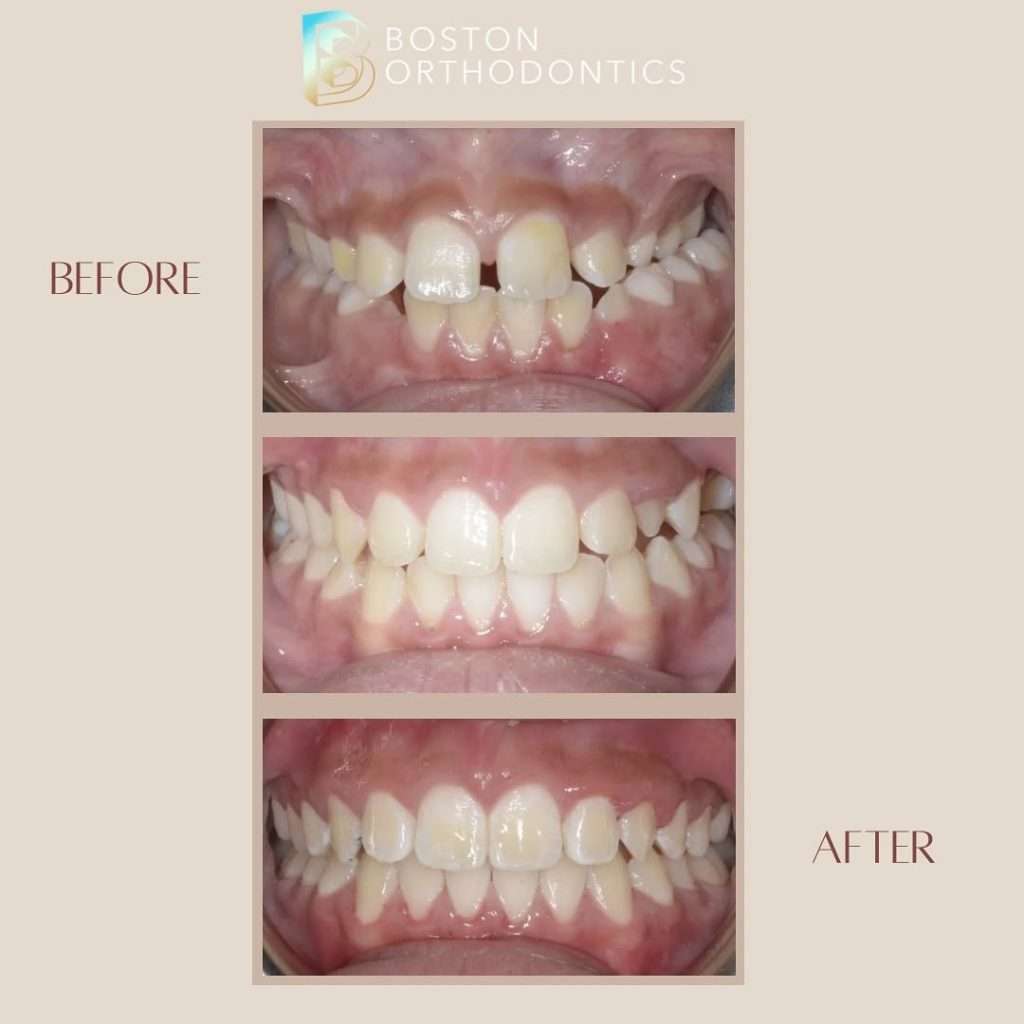
Porcelain veneers are ceramic shells made in a laboratory and bonded to the front of your teeth. Composite bonding is tooth-coloured resin sculpted straight onto them in the chair. The decision comes down to three things: how much change you want, how long you want it to last, and how much natural tooth you are willing to lose to get it.
That third one is the part that gets glossed over when people start comparing veneers in London, and it is the only part you cannot reverse.
The actual difference
| Porcelain veneers | Composite bonding | |
|---|---|---|
| Material | Ceramic, such as feldspathic porcelain or lithium disilicate | Tooth-coloured composite resin |
| Made | Custom, in a laboratory | Sculpted onto the tooth in the appointment |
| Visits | Two or more | Often one |
| Tooth reshaping | A thin layer of enamel is usually removed | Little or none |
| Staining | Resists it | Picks it up over the years |
| Lifespan | 10 to 15 years or longer with good care | Shorter, with polishing and touch-ups |
| Repairs | A chipped veneer usually needs replacing | Chips are often repaired in the chair |
| Reversible | No, once enamel has gone | Usually, since little tooth is removed |
When porcelain is the right call
Porcelain veneers in London are usually chosen for one of four reasons:
- You want a substantial, long-lasting change across several front teeth.
- Your teeth are heavily discoloured and whitening has not shifted them.
- You want a finish that holds up against coffee, tea and red wine.
- Your teeth are worn, chipped or genuinely uneven in shape.
When bonding is the right call
- You are fixing a small chip, a gap or an uneven edge rather than redesigning a smile.
- You want to keep as much natural tooth as possible.
- You want it done in one visit.
- You are not ready to commit to something permanent.
That last point carries more weight than people expect. Bonding lets you live with a changed smile for a few years and then decide. Porcelain does not offer that, because the enamel removed to fit it does not grow back.
The question nobody asks first: should you straighten the teeth instead?
Veneers are frequently used to make crooked or crowded teeth look straight. It works, and it has a cost: disguising a position problem with a shape solution means removing more enamel from the teeth that are sitting furthest out of line.
Moving those teeth into position first, with Invisalign or another appliance, often means thinner veneers, fewer of them, or none at all. More than once we have had someone come in for eight veneers, straighten the teeth over several months, and end up needing whitening and a small amount of bonding on two teeth.
That conversation is worth having before anyone starts shaping enamel. We will tell you when straightening first is the better route, which is the practical advantage of having orthodontics and cosmetic work under one roof rather than in two practices with two opinions.
What the porcelain process involves
- Consultation. What you want to change, an examination of the teeth and gums, and an honest answer on whether veneers suit your case.
- Design. Impressions or scans, and the shade chosen with you rather than for you. The laboratory then makes them.
- Fitting. A thin layer of enamel is removed and the veneers are bonded on.
Looking after either one
- Brush twice a day and clean between the teeth properly.
- Keep up check-ups and hygiene appointments.
- Do not bite ice, pens or your nails. Ceramic chips.
- If you grind your teeth, wear a night guard. Grinding ends more veneers than anything else on this list.
Where we are
We are at 2 Grosvenor Gardens on the fourth floor, two minutes from Victoria station, with patients coming from Belgravia, Pimlico, Westminster, Chelsea, Knightsbridge and Mayfair. Our cosmetic work includes dentists such as Dr Christian Pintado, whose work covers ceramic veneers and composite bonding with a minimally invasive approach. We are open until 8pm on Wednesdays and Thursdays and Saturdays 9am to 5pm.
Common questions
Do veneers ruin your teeth? Porcelain veneers usually need a thin layer of enamel removed, and that cannot be undone. Careful planning keeps it to a minimum, and bonding is the option if you would rather keep the tooth intact.
Can veneers be whitened? No. Neither porcelain nor composite responds to whitening. If you want a lighter shade overall, whiten first so the veneers can be matched to the result.
Is composite bonding cheaper? Per tooth, usually. Over ten years the gap narrows, because bonding needs more maintenance. You get the figures for both at the consultation.
Are veneers available on the NHS? Not usually. They are treated as a cosmetic treatment.
How many teeth do people usually have done? It should be decided by what shows when you smile rather than by a round number. Six and eight are common for veneers in London; two is sometimes all that is needed once the teeth are aligned.
Book a consultation
You leave with a written plan covering which option suits your teeth, what it costs and whether straightening first would change the answer. Book online or call 020 3858 0068. More on the treatment on our veneers page.
Boston Orthodontics, 2 Grosvenor Gardens, 4th Floor, Belgravia, London SW1W 0DH. Full pricing on the 2026 fees page.
MOST POPULAR TREATMENTS
Our Services

Our Doctor
Meet Doctors

Dr. Elif Keser
Specialist Orthodontist

Dr. Tania Rafael Garcia
Dental Surgeon

Dr. Gustavo Silva
Dental Surgeon
