
Overbite: Causes, Symptoms, Treatment
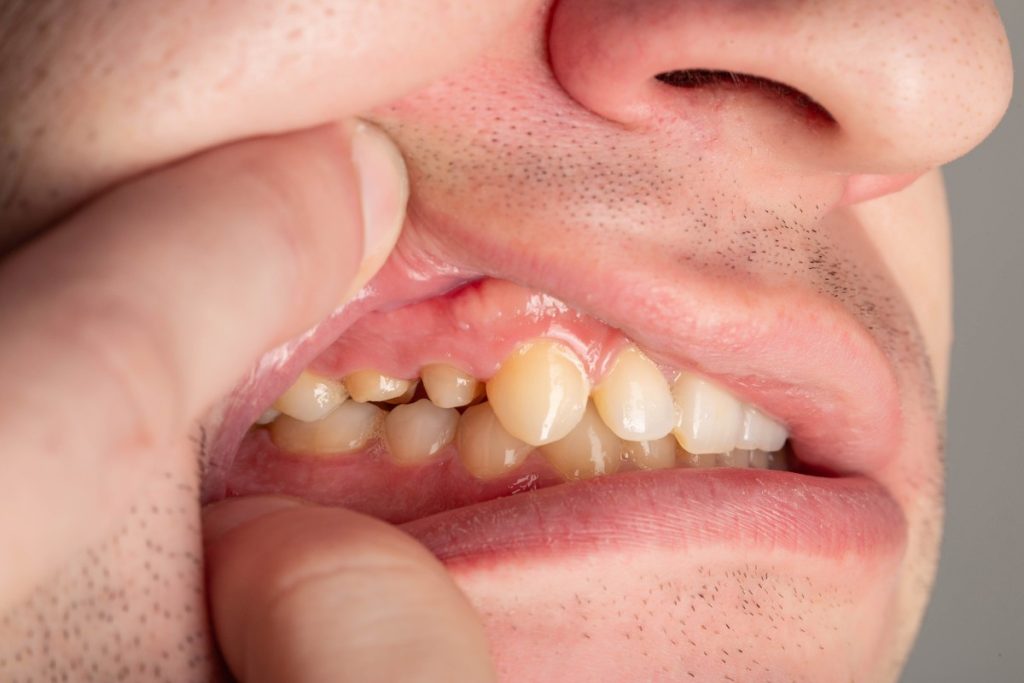
When people think of orthodontics, “overbite” is often one of the first terms that comes to mind. It’s a common dental concern, but one that’s frequently misunderstood. Some overbite is normal – in fact, most people have one. The issue arises when the overlap becomes excessive, leading to functional or aesthetic problems.
So, what is an overbite? How can you tell if yours needs treatment? And what are the options if you do? Let’s take a closer look.
What Is an Overbite?
An overbite is when the upper front teeth overlap the lower front teeth vertically. A small overbite is natural – it helps the teeth bite together efficiently. Problems occur when the overlap is too deep (a “deep bite”) or, less commonly, too small.
In severe cases, the lower teeth may bite into the roof of the mouth, causing discomfort and even damage to the gums or palate. Beyond the physical issues, many people also feel self-conscious about the appearance of a pronounced overbite.
Causes of Overbite
Several factors can contribute to an overbite developing:
- Genetics: Jaw size and shape are often inherited. A small lower jaw or large upper jaw can create an imbalance.
- Childhood habits: Thumb-sucking, prolonged dummy use, or nail-biting can gradually push the teeth forward.
- Teeth crowding: When teeth don’t fit properly in the jaw, they can shift into overlapping positions.
- Skeletal development: Growth imbalances between the upper and lower jaw can lead to more significant overbites.
Often, it’s a mix of these factors rather than just one cause.
Symptoms of an Overbite
Not all overbites cause noticeable problems, but when they do, symptoms can include:
- Excessive overlap of the upper teeth over the lower teeth
- Difficulty biting or chewing certain foods
- Jaw discomfort or clicking
- Speech issues in some cases
- Uneven tooth wear
- Aesthetic concerns, such as a protruding upper jaw or receding chin
For children, signs might also include mouth breathing or difficulty closing the lips fully.
Why Treatment Matters
You might wonder: is an overbite really worth fixing? The answer depends on its severity. Untreated overbites can cause:
- Increased risk of tooth wear and enamel damage
- Gum irritation or injury if lower teeth contact the roof of the mouth
- Jaw pain and potential temporomandibular joint (TMJ) problems
- Challenges with speech or chewing
- Self-esteem issues linked to facial appearance
Addressing an overbite is about more than cosmetics – it’s about protecting long-term oral health.
How to Fix Overbite

Orthodontic treatment is the most effective way to correct an overbite. Options include:
Braces
Traditional braces gradually move teeth and jaws into proper alignment. They’re highly effective for moderate to severe overbites, offering precise control.
Invisalign
A common question is: can Invisalign fix overbite? The answer is yes – clear aligners can treat many cases, particularly mild to moderate ones. They work by applying gentle pressure to shift teeth over time. However, for complex skeletal overbites, braces (sometimes combined with other appliances) may still be the better option.
Elastics
Often used alongside braces or aligners, elastics provide additional force to adjust how the upper and lower jaws fit together.
Jaw Surgery
In severe cases, especially when caused by skeletal imbalances, surgery may be required in combination with orthodontics. This is more common in adults than children.
How to Fix Overbite Naturally
Here’s the honest truth: once a significant overbite has formed, “natural” methods won’t correct it. Orthodontic appliances are necessary to move teeth or influence jaw growth. That said, addressing habits early – such as thumb-sucking or nail-biting in children – can help prevent an overbite from developing or worsening.
Treatment in Children vs Adults
Treating overbites in children is often easier, as their jaws are still growing. Appliances like functional braces or growth modification devices can help guide development.
In adults, treatment is still very effective, but sometimes more complex. The jaw has finished growing, so orthodontics alone may not always be enough for severe cases. Even then, braces or Invisalign can make a significant difference for most patients.
Living With Treatment
Whichever treatment option you choose, patience is key. Overbite correction isn’t instant – it takes months or even years, depending on severity. Adjustments can feel uncomfortable at first, but that’s part of the process.
The result? A bite that functions properly, teeth that last longer, and a smile that inspires confidence.
Choosing the Right Option
The best way to decide on treatment is through a full orthodontic assessment. Your orthodontist will consider the type of overbite, your age, and your personal goals before recommending a plan.
At Boston Orthodontics, we provide personalised solutions designed to achieve both health and cosmetic improvements. Whether through braces, Invisalign, or other methods, our focus is on sustainable, effective results.
Final Thoughts
So – what is an overbite, and how do you fix it? It’s a condition where the upper teeth overlap too much with the lower, caused by genetics, habits, or jaw development. Symptoms range from difficulty chewing to aesthetic concerns, and treatment can involve braces, Invisalign, or in rare cases, surgery.
The important thing to remember is that correction is possible – and worthwhile. Straight teeth are important, yes, but so is a balanced, functional bite. Both contribute to long-term oral health and confidence.
If you’re considering treatment for yourself or your child, meet our orthodontists and treatment options to explore the most effective path forward. Because the sooner an overbite is addressed, the better the outcome tends to be.
Book Your Dental Checkup Today
Ready to take control of your oral health? Whether it’s your first visit or a routine cleaning, regular dental checkups make all the difference. Our expert team is here to help you maintain a strong, confident smile.
MOST POPULAR TREATMENTS
Our Services

Our Doctor
Meet Doctors

Dr. Elif Keser
Dentist

Dr. Tania Rafael Garcia
Dental Surgeon

Dr. Gustavo Silva
Dental Surgeon
