
How to Choose the Best Orthodontic Treatment in London
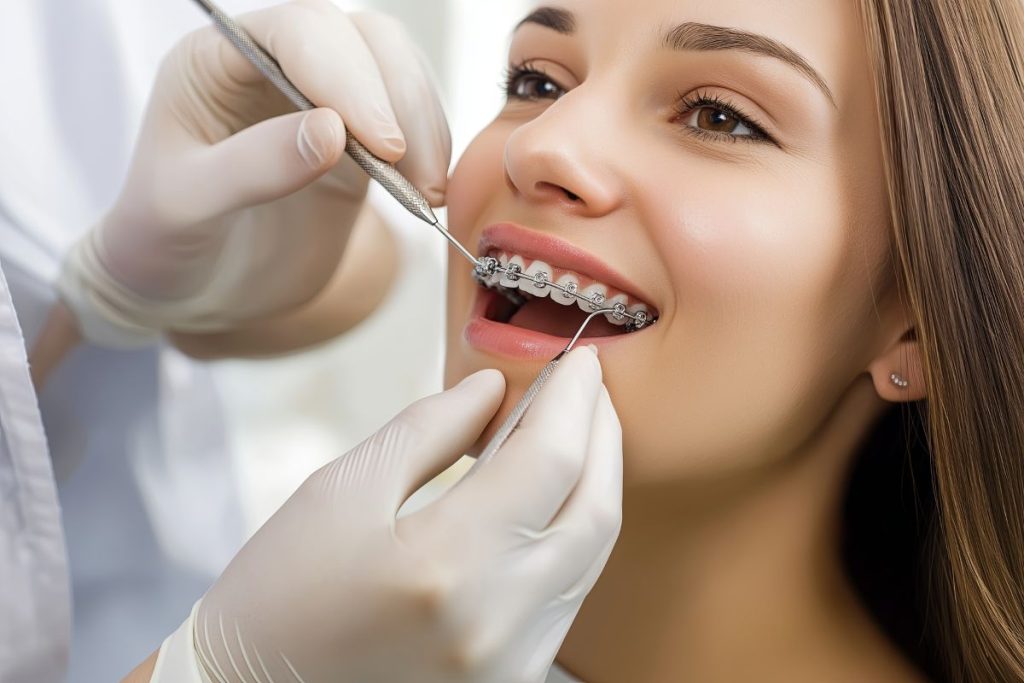
Choosing the right orthodontic treatment is a big decision, whether you’re considering treatment for yourself or for a child. London has an exceptionally wide range of clinics, treatment types, and pricing structures, which can make the process feel overwhelming. However, making a confident decision is easier when you know what to look for, what questions to ask, and how to assess whether a clinic is the right fit for your needs.
This guide will help you navigate your options, understand the different types of orthodontic treatments, and identify the most important factors when choosing a provider in London.
Understanding the Different Types of Orthodontic Treatments
Orthodontics is not one-size-fits-all. Treatment type should be determined by your clinical needs, personal goals, and lifestyle considerations. Here are the most common options offered in London clinics:
1. Fixed Braces
Fixed braces are the traditional orthodontic solution and remain the most effective option for complex tooth movements. They consist of brackets bonded to teeth and connected by archwires, which gradually move teeth into alignment.
- Metal braces: The most common type, suitable for all ages, especially effective for significant crowding or bite issues.
- Ceramic braces: Tooth-coloured brackets that are less visible, popular with adults and teens seeking a more discreet solution.
- Lingual braces: Braces placed on the inner surface of teeth, completely hidden from view, but requiring a high level of expertise from the orthodontist.
2. Clear Aligners
Clear aligners, such as Invisalign, are removable, nearly invisible trays that gradually shift teeth. They are popular among adults due to their discreet appearance.
- Invisalign Comprehensive: Full-range aligners suitable for moderate to complex cases, with unlimited refinements included.
- Invisalign Lite: Limited aligners for mild to moderate corrections.
- Invisalign i7 / First / Teen: Options for minor corrections or children and adolescents.
Clear aligners require patient compliance, typically worn for 22 hours a day. Regular monitoring is essential to ensure teeth track according to the digital treatment plan.
3. Early Intervention (Paediatric Orthodontics)
For children, interceptive treatment can guide jaw development and prevent more serious issues later. Appliances used can include expanders, functional devices, and partial braces. Early assessment (generally around age 7-8) allows a specialist to identify skeletal or spacing issues before they become more difficult to treat.
Factors to Consider When Choosing a London Orthodontic Clinic
Not all orthodontic clinics are equal. Beyond the type of treatment offered, several other factors can significantly affect your experience and outcomes.
1. Clinical Expertise and Credentials
The single most important factor is the expertise of the treating clinician.
- Specialist orthodontists are registered on the General Dental Council (GDC) specialist register and have completed full-time postgraduate orthodontic training, usually three years beyond dental school.
- General dentists may offer orthodontic treatments, including Invisalign, with shorter additional training. While they can handle straightforward cases, complex bite issues, surgical cases, or mixed dentition often require specialist knowledge.
Tip: Always ask whether your clinician is a GDC-registered specialist and verify this on gdc-uk.org.
2. Diagnostic and Planning Technology
High-quality diagnostic tools allow for precise treatment planning and better outcomes:
- Digital scans (iTero): Replace traditional impressions with fast, accurate 3D models. Used for clear aligner planning.
- CBCT (3D X-rays): Essential for complex cases or surgical planning, providing detailed bone and jaw structure data.
- Treatment simulations: Many clinics provide visualisations of expected results, helping patients understand outcomes before treatment begins.
Clinics that rely solely on traditional 2D X-rays or plaster models may provide less predictable results.
3. Range of Treatment Options
A clinic should offer a full spectrum of treatment options, allowing your orthodontist to select the most clinically appropriate solution rather than being limited by what the practice offers.
- Adult treatments: Metal, ceramic, lingual braces, Invisalign, or hybrid approaches.
- Children’s options: Removable appliances, early interceptive devices, fixed braces, and Invisalign First or Teen.
- Clinics limited to a single type of appliance may be excellent in that area but cannot provide a genuinely unbiased recommendation.
4. Personalised Treatment Planning

No two patients are identical. Effective orthodontic care considers:
- Facial aesthetics, not just tooth alignment.
- Skeletal structure and bite relationships.
- Long-term goals and lifestyle considerations.
A comprehensive consultation should include:
- Detailed clinical examination, including teeth, gums, bite, and skeletal assessment.
- Discussion of treatment goals, concerns, and expectations.
- A written treatment plan with timelines, expected outcomes, and sequencing of treatment stages.
- For Invisalign or clear aligners, a ClinCheck video demonstrating the planned movements.
5. Monitoring Protocols
How your treatment is monitored between appointments has a direct effect on outcomes.
- Progress checks at each visit with photographic records or scans.
- Remote monitoring technologies (e.g., DentalMonitoring) to identify issues early.
- Clear plans for refining treatments if teeth do not move exactly as predicted.
Clinics that rely solely on visual inspection may be slower to respond to deviations in tooth movement, potentially extending treatment time.
6. Retention Plans
After active treatment, retainers are essential to maintain results. Effective retention planning includes:
- Types of retainers (fixed or removable) and wear schedule.
- Replacement policies for lost or broken retainers.
- Education on lifelong retention practices (indefinite nighttime wear is often recommended).
A clinic that does not discuss retention during consultation is likely missing a critical aspect of care.
7. Provider Reputation and Tier (for Invisalign)
If considering Invisalign:
- Providers are ranked from Silver to Apex based on case volume and experience.
- Higher-tier providers have access to advanced features and may manage more complex cases.
- Tier alone does not guarantee better results – clinical skill, experience, and personalised planning remain decisive.
8. Location and Convenience
Orthodontic treatment in London typically involves appointments every 6–8 weeks over 12–24 months. Therefore, you want a convenient location that reduces the burden of travel and makes it easier to stay compliant with appointments.
9. Cost Transparency
London orthodontic pricing varies widely. Always ask:
- What’s included in the quoted price? (e.g., retainers, refinements, follow-ups)
- Are payment plans available?
- Is there any cost for adjustments or replacements?
Lower headline prices may not represent better value if key elements of treatment are excluded.
Why Boston Orthodontics Stands Out
For over 25 years, our team here at Boston Orthodontics have been helping patients in Belgravia and across London achieve healthy, confident smiles. From the very beginning, our focus has been on specialist-led care, personal attention, and using the latest technology to make orthodontic treatment as comfortable and effective as possible.
Led by Dr Elif Keser, a GDC-registered consultant orthodontist with decades of experience, our team has treated thousands of patients.
At our clinic, every treatment plan is individualised. We consider not just tooth alignment but also facial harmony, long-term dental health, and your lifestyle, guiding you through every step of your orthodontic journey with clarity, comfort, and confidence.
Why Our Patients Choose Us
- Expert, Specialist-Led Care: All treatments are overseen by Dr Keser, ensuring that even complex cases are managed with precision and experience.
- Comprehensive Range of Treatments: We offer fixed braces, clear aligners, lingual braces, and early intervention for children, so our recommendations are based on your needs – not what we happen to offer.
- Advanced Technology: Our digital scanning, 3D treatment planning, and remote monitoring tools make treatment predictable, efficient, and minimally disruptive.
- Personalised Experience: Our consultations are thorough and focused on your goals, so you fully understand the plan and the expected outcomes.
- Supportive Environment: Our team is dedicated to making every visit welcoming and stress-free, whether it’s a first consultation, adjustment, or long-term treatment.
Making the Best Choice For Your Dental Health
Choosing orthodontic treatment is a long-term investment in both your dental health and your confidence. You’ll make the best decision by focusing on clinical expertise, personalised treatment planning, technology, and patient experience, rather than relying on price or marketing alone.
London has many orthodontic providers, but a clinic that combines specialist-led care, a full range of treatment options, and a patient-centred approach will ensure that your treatment journey is smooth, effective, and tailored to your individual needs.
FAQs
1. Can Invisalign treat complex bite issues?
Many bite discrepancies can now be corrected with clear aligners, but the feasibility depends on severity and case specifics. A specialist orthodontist assessment is essential.
2. How long does orthodontic treatment take?
Treatment varies by complexity: minor adjustments may take 3–6 months, while comprehensive adult or complex paediatric cases may last 12–24 months or more.
3. How do I know if I should see a specialist orthodontist?
For complex cases, bite issues, or mixed dentition in children, a specialist orthodontist ensures that treatment is precise and effective. A consultation can determine whether specialist care is appropriate.
Book Your Dental Checkup Today
Ready to take control of your oral health? Whether it’s your first visit or a routine cleaning, regular dental checkups make all the difference. Our expert team is here to help you maintain a strong, confident smile.
MOST POPULAR TREATMENTS
Our Services

Our Doctor
Meet Doctors

Dr. Elif Keser
Dentist

Dr. Tania Rafael Garcia
Dental Surgeon

Dr. Gustavo Silva
Dental Surgeon
