
How Long Do Braces Hurt? 8 Effective Tips to Relieve Pain
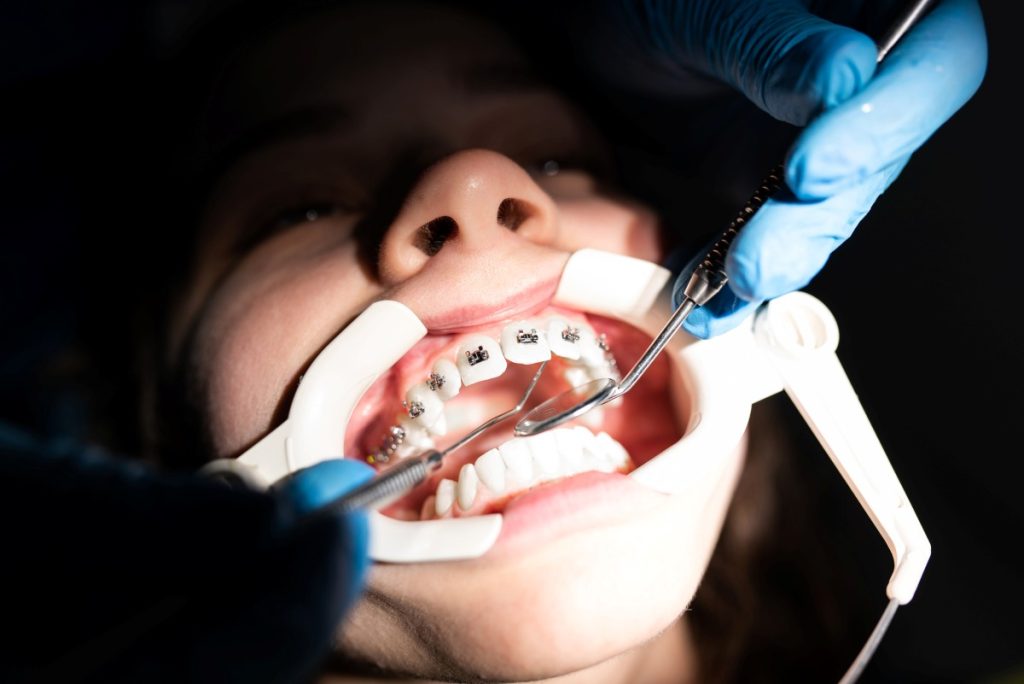
If you’ve just had braces fitted, congratulations – you’ve officially started your journey to a straighter, healthier smile. But let’s be honest, that first week? It can be rough. Your mouth feels tight, chewing hurts, and you might be wondering if you’ve made a huge mistake. Don’t worry. It’s completely normal. Everyone experiences some discomfort in the early stages of treatment, but it doesn’t last forever. Here’s what to expect, how long braces hurt, and what you can actually do to make it easier.
How Long Do Braces Hurt?
Most people feel mild to moderate discomfort for the first few days after getting braces or following an adjustment. For some, it lasts around three to five days; others may take up to a week to adjust. After that, your mouth toughens up, and the pain fades into background pressure rather than sharp soreness. The good news? Every adjustment after the first one tends to be easier. Your mouth adapts. Your pain tolerance grows. And before long, that once-awkward pressure becomes a satisfying sign that your teeth are moving in the right direction.
Why Braces Hurt in the First Place
The discomfort isn’t random – it’s biological. When braces apply gentle pressure to teeth, they trigger bone remodelling, allowing teeth to shift. This movement stretches ligaments and activates nerve endings. In other words, your body is busy doing important structural work, which happens to feel a bit tender. Brackets and wires can also rub against cheeks or lips, creating minor irritation while your mouth adjusts to its new hardware. Think of it as breaking in a new pair of shoes – uncomfortable at first, but temporary.
What Type of Pain Is Normal?
You might feel soreness when biting, dull aches around certain teeth, or sensitivity to temperature. Soft tissues inside your cheeks might feel raw from friction. These sensations are all part of the adjustment phase. What’s not normal is sharp, constant pain or bleeding – that’s a sign to contact your orthodontist. Pain should always decrease gradually, not intensify.
8 Tips to Relieve Braces Pain

1. Use orthodontic wax. The simplest tool often makes the biggest difference. Applying wax over brackets and wires reduces friction, preventing cuts and ulcers.
2. Stick to soft foods. During the first few days, soups, smoothies, mashed potatoes, and yoghurt are your best friends. Avoid anything that requires hard chewing – it only adds pressure to already sensitive teeth.
3. Take mild pain relief. Paracetamol or ibuprofen can help manage inflammation and soreness. Always follow dosage instructions and avoid overuse.
4. Try a warm saltwater rinse. A teaspoon of salt in warm water can soothe sore gums and prevent irritation from developing into ulcers. It’s old-school, but it works.
5. Apply a cold compress. An ice pack or chilled water bottle against your jaw can numb pain and reduce swelling. Alternate between warm and cold if needed.
6. Avoid hard or sticky foods. This is about protection as much as comfort. Hard foods like nuts, popcorn, or crusty bread can dislodge brackets, while sticky sweets can tug at wires. You’ll find more on this in our guide to comparing ceramic vs metal braces – different materials can change what feels comfortable to eat.
7. Keep your mouth clean. It sounds counterintuitive when everything hurts, but brushing and rinsing gently keeps irritation down. Food particles trapped around brackets increase sensitivity.
8. Stay patient. Pain management isn’t just physical – it’s mental. Remind yourself that each day of discomfort is one step closer to your goal. The soreness fades, but your results don’t.
Pain During Adjustments
Every 6–8 weeks, you’ll have an adjustment appointment where wires are tightened or replaced. Expect mild tenderness afterwards – usually lasting 24 to 48 hours. Most patients describe it as pressure, not pain. Softer foods, wax, and rinses help just as much during these periods. If discomfort feels unusually strong or lingers beyond a few days, your orthodontist can check for wire tension or rubbing points.
What About Clear Aligners?
If you’re using clear aligners instead of braces, the experience is similar but generally milder. You’ll still feel tightness when switching to a new set of trays, but it tends to subside within two to three days. Aligners can also cause gum or lip irritation if they don’t fit perfectly – in which case, trimming or smoothing the edge usually helps.
Coping with Mouth Ulcers
A common side effect in the first few weeks is mouth ulcers caused by brackets rubbing the inside of your mouth. They heal quickly but can sting like mad. Orthodontic wax, saltwater rinses, and topical gels like Bonjela or Anbesol offer relief. Keeping up with oral hygiene helps them heal faster. If ulcers keep coming back, mention it at your next appointment – a small adjustment may stop the friction.
When to Call Your Orthodontist
Pain that lasts longer than a week, or sharp discomfort that wakes you up, isn’t normal. Neither are broken brackets or poking wires. Don’t suffer through it – contact your orthodontic team. They’ll make quick adjustments to ease the pain. Orthodontics is meant to guide your smile, not make you miserable.
The Bigger Picture
Braces hurt because they’re working. Every ache means progress – your teeth are moving into healthier alignment. It’s temporary discomfort for long-term gain. And once you’ve adjusted, most people forget they’re even wearing them. The payoff is worth it: a balanced bite, easier cleaning, and a confident smile that feels completely your own.
Final Thoughts
So yes, braces can hurt – but only for a little while. With the right care, patience, and guidance, you’ll move past the discomfort quickly. At Boston Orthodontics, we design personalised orthodontic plans for all ages, focusing on comfort, precision, and results. Because your smile journey should be exciting, not painful.
Book Your Dental Checkup Today
Ready to take control of your oral health? Whether it’s your first visit or a routine cleaning, regular dental checkups make all the difference. Our expert team is here to help you maintain a strong, confident smile.
MOST POPULAR TREATMENTS
Our Services

Our Doctor
Meet Doctors

Dr. Elif Keser
Dentist

Dr. Tania Rafael Garcia
Dental Surgeon

Dr. Gustavo Silva
Dental Surgeon
