
8 Factors to Consider When Choosing an Invisalign Provider
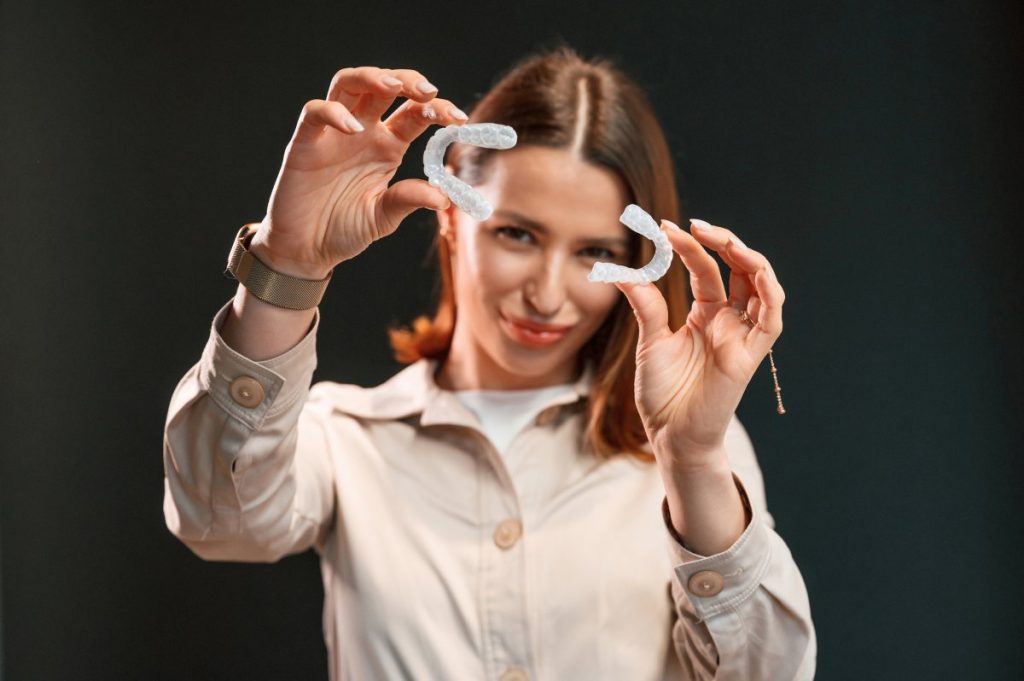
Choosing an Invisalign provider is about far more than comparing prices or convenience. While Invisalign is a standardised system from Align Technology, the quality of treatment outcomes varies significantly depending on the clinician’s experience, diagnostic approach, and how carefully the treatment is planned and monitored.
Two patients with similar starting points can have very different results depending on who designs and oversees their treatment. Understanding what to look for before starting is essential if you want predictable, stable, and well-finished results.
Below are the eight most important factors to consider when selecting an Invisalign provider.
1. Clinical Qualifications and Orthodontic Expertise
Not all Invisalign providers approach treatment with the same depth of orthodontic training. While Invisalign is widely available to both general dentists and specialist orthodontists, the level of understanding of bite mechanics, tooth movement, and jaw development can vary significantly between clinicians.
A specialist orthodontist will have completed several years of additional postgraduate training focused entirely on orthodontics, which becomes particularly relevant in cases involving bite correction, asymmetry, or adolescent growth.
When searching, you should consider:
- Whether the clinician is a GDC-registered specialist orthodontist
- Depth of orthodontic training beyond general dentistry
- Experience managing bite correction, not just cosmetic alignment
- Exposure to complex adolescent and adult cases
2. Invisalign Provider Tier Status
Invisalign uses a structured provider ranking system based on the number and complexity of cases completed. These tiers range from entry-level providers through to Diamond and Apex levels, reflecting overall experience with the system.
While tier status does not directly define clinical ability, it can indicate how frequently a provider works with Invisalign cases and how familiar they are with a wide range of treatment scenarios.
Higher-tier providers typically:
- Manage a larger number of Invisalign cases annually
- Have greater exposure to complex tooth movements
- May have access to more advanced Invisalign treatment options
- Are more experienced in handling refinements and adjustments
3. Diagnostic Technology and Records
Successful Invisalign treatment depends heavily on the accuracy of the initial diagnostic records. Because aligners are planned digitally, the precision of scans and imaging directly influences how predictable treatment will be.
Modern orthodontic practices rely on advanced digital tools to ensure treatment planning is based on a full and accurate understanding of the teeth, bite, and supporting structures.
Modern providers typically use:
- iTero digital scanning for 3D models of teeth
- Digital photography for facial and bite assessment
- CBCT imaging in more complex skeletal cases
- Digital bite registration for accurate alignment planning
These tools allow for more precise planning and reduce the likelihood of mid-treatment adjustments caused by incomplete diagnostic data.
4. Treatment Planning and ClinCheck Customisation
ClinCheck is Invisalign’s digital simulation tool that maps out tooth movement from start to finish. However, the quality of the final treatment plan depends heavily on how much the clinician reviews and modifies this digital setup.
A well-developed treatment plan goes beyond simply accepting the initial simulation and instead involves detailed customisation based on clinical judgement.
Important factors include:
- Whether ClinCheck is actively customised rather than accepted as-is
- Attention to bite function, not just tooth straightening
- Planning for mid-course corrections or refinements
- Realistic treatment timelines based on case complexity
Experienced providers often make multiple adjustments to ensure movements are biologically realistic and stable.
5. Case Complexity and Use of Attachments or Elastics
Invisalign can treat a wide range of cases, but not all of them are simple cosmetic alignments. Many require additional components such as attachments or elastics to achieve full correction. These small additions play a crucial role in improving control and ensuring teeth move in the correct direction.
Understanding how these elements are used is important when evaluating provider experience, particularly for cases involving bite correction or significant alignment changes.
A well-prepared provider will be comfortable managing:
- Overbite and underbite correction cases
- Midline discrepancies and asymmetry
- Use of attachments for controlled tooth movement
- Invisalign elastics for bite correction
- Refinement stages for final detailing
Providers with limited experience may be less comfortable treating complex cases with aligners alone.
6. Monitoring and Progress Tracking

Invisalign treatment requires ongoing monitoring to ensure that teeth are moving according to plan. Even small deviations in tracking can affect the final outcome if not identified early.
Regular reviews allow the clinician to compare actual tooth movement against the digital plan and make timely adjustments if necessary.
Effective monitoring should include:
- In-clinic progress checks at regular intervals
- Digital scans to compare actual movement vs planned movement
- Remote monitoring tools in some practices
- Early intervention when tracking issues arise
Consistent monitoring helps maintain treatment efficiency and reduces the risk of extended treatment timelines.
7. Cost Transparency and Treatment Inclusions
Invisalign pricing structures can vary widely between providers, and headline costs often do not reflect the full scope of treatment. Understanding exactly what is included at the outset is essential for avoiding unexpected additional charges later in treatment.
Beyond the initial aligners, other elements can significantly influence overall cost and value.
Therefore, it is important to clarify:
- Whether refinements are included in the quoted price
- If retainers are part of the treatment package
- How many aligner stages are included
- Whether additional costs apply for attachments or elastics
- Available finance or payment plan options
Clear transparency at the start of treatment helps ensure there are no surprises as treatment progresses.
8. Retention Planning After Treatment
Retention is one of the most important yet often underestimated parts of Invisalign treatment. Once active tooth movement is complete, retainers are used to maintain the new position and prevent natural relapse over time.
A strong retention plan should include:
- Fixed and/or removable retainers
- Clear instructions on wear schedule
- Long-term maintenance strategy
- Replacement options if retainers are lost or damaged
- Regular review of retention stability
Without proper retention, teeth naturally tend to shift back towards their original positions, making this stage just as important as active treatment itself.
Relieve The Stress of Your Invisalign Treatment with Boston Orthodontics
At Boston Orthodontics in Belgravia, we plan Invisalign treatment with a strong focus on precision, predictability, and long-term stability rather than alignment alone. With over 25 years of orthodontic experience in London, our treatment planning is led by consultant orthodontist Dr Elif Keser, who pays careful attention to both tooth movement and bite function.
Each of our Invisalign cases is digitally planned using advanced scanning and simulation tools, with a strong emphasis on tailoring movement sequences to the individual case rather than using standardised templates.
Our team regularly manages both simple and complex Invisalign cases, ensuring that treatment plans are realistic, efficient, and designed to achieve stable long-term results:
- Specialist-led Invisalign treatment planning for children, teens, and adults
- Extensive experience managing complex bite correction cases with aligners
- Use of advanced digital scanning and ClinCheck customisation
- Careful integration of attachments and elastics where required
- Focus on bite stability and long-term retention outcomes
- Flexible appointment scheduling for ongoing monitoring and review
- Clear, structured treatment pathways with transparent communication throughout
For patients considering Invisalign, a detailed consultation helps determine not only suitability, but also the most effective way to achieve a balanced and long-lasting result.
Visit Boston Orthodontics
Choosing the Right Invisalign Provider Matters
Invisalign treatment outcomes depend heavily on the expertise of the provider guiding the process. While the system itself is standardised, the diagnosis, planning, and monitoring stages are highly individual – and this is where differences in experience become most apparent.
Taking time to evaluate clinical training, planning approach, monitoring systems, and long-term retention strategy can make a significant difference to both the quality and stability of the final result.
FAQs
1. Do all Invisalign providers deliver the same results?
No. Results vary depending on clinical experience, case selection, and how carefully treatment is planned and monitored.
2. Is a higher Invisalign provider tier always better?
Not always, but higher tiers generally reflect greater case experience with the system.
3. Can general dentists provide Invisalign treatment?
Yes, but specialist orthodontists typically have more advanced training in complex tooth and bite movement.
4. How important is retention after Invisalign?
Very important. Without retainers, teeth are likely to shift back over time.
5. How do I know if Invisalign is right for my case?
A specialist consultation with digital scanning and bite assessment is the most reliable way to determine suitability.
Book Your Dental Checkup Today
Ready to take control of your oral health? Whether it’s your first visit or a routine cleaning, regular dental checkups make all the difference. Our expert team is here to help you maintain a strong, confident smile.
MOST POPULAR TREATMENTS
Our Services

Our Doctor
Meet Doctors

Dr. Elif Keser
Dentist

Dr. Tania Rafael Garcia
Dental Surgeon

Dr. Gustavo Silva
Dental Surgeon
