
Diastema: What Causes It and How To Fix It
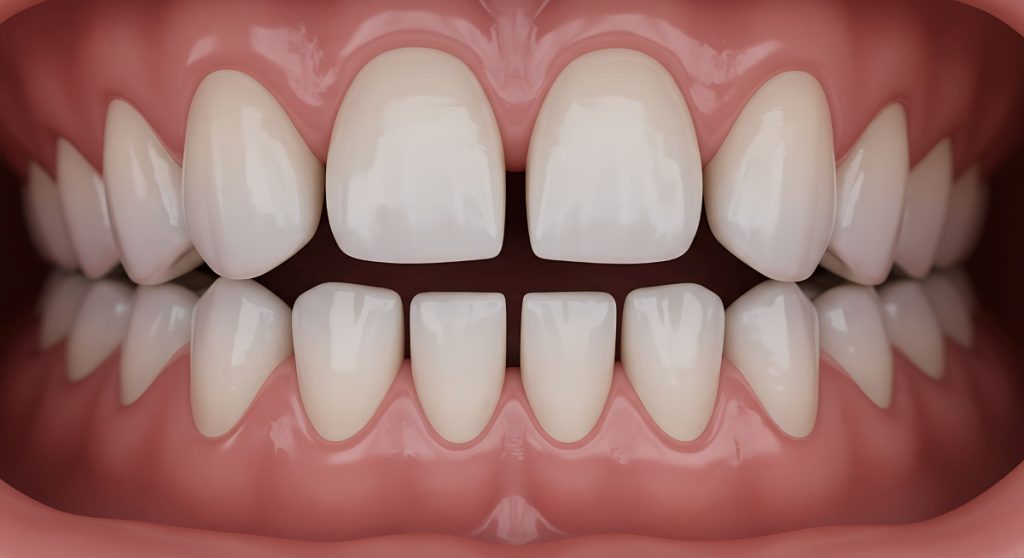
You know that small gap between your front teeth? The one people either love for its charm or feel self-conscious about? That’s called a diastema. Some wear it proudly – think iconic smiles like Madonna or Michael Strahan – but for others, it’s something they’d rather close. Whether you see it as a quirk or a concern, understanding what causes diastema and how to fix it can help you make an informed choice about your smile.
What Is a Diastema?
A diastema is simply a space or gap between two teeth, most commonly the upper front ones. It can appear at any age and isn’t always a sign of a dental problem. Some people have tiny gaps that barely show, while others have a noticeable separation that affects both aesthetics and bite alignment. In children, these gaps often close naturally once their permanent teeth erupt. In adults, though, they tend to stick around without treatment.
Common Causes of Diastema
There isn’t just one reason a gap forms – it’s usually a mix of genetics, habits, and oral structure. Here are the main culprits:
1. Tooth and jaw size mismatch. If your jaw is too large or your teeth are too small, spaces naturally appear between them. Genetics often plays a big role here.
2. Oversized labial frenum. That small piece of tissue connecting your upper lip to your gums can sometimes extend too far down, physically preventing the front teeth from closing together.
3. Gum disease. Periodontal problems can lead to bone loss, causing teeth to shift or drift apart over time.
4. Habits. Thumb-sucking, tongue-thrusting, or even using teeth as tools (looking at you, packet-openers) can push teeth out of alignment and widen gaps.
5. Missing or undersized teeth. If one tooth is smaller or missing, the surrounding ones may move to fill the space, creating a visible diastema.
Is It a Problem or Just Cosmetic?
Not always a problem, no. A small diastema can be harmless and even considered attractive. But in some cases, gaps may signal underlying bite issues, gum recession, or spacing that affects function. Food can collect between teeth, increasing the risk of decay and plaque buildup. It’s not about vanity – it’s about oral health and comfort. The decision to treat it comes down to how it affects your bite, hygiene, and confidence.
Treatment Options for Diastema
The good news: diastema can be treated effectively with a range of options – from subtle orthodontics to cosmetic refinements. The right approach depends on what’s causing the gap and how wide it is.
1. Orthodontic treatment. Braces or clear aligners gently move teeth into the right position, closing gaps gradually. For many, this is the most stable and natural fix. Advanced systems like self-ligating braces make the process more comfortable and efficient than ever.
2. Dental bonding. For small gaps, composite resin can be applied to reshape the teeth for a seamless finish. It’s quick, affordable, and minimally invasive – though it may need touch-ups over time.
3. Veneers. Porcelain veneers can cover and close small spaces while improving tooth shape and colour. They’re ideal when you want a cosmetic upgrade alongside alignment correction.
4. Frenectomy. If an enlarged frenum is the cause, a minor surgical procedure can release it. Once healed, orthodontic treatment can close the space permanently.
5. Gum disease treatment. When gaps are caused by shifting due to bone loss, addressing gum health is the first step before any aesthetic fixes.
How Orthodontics Helps Close Gaps

Modern orthodontics offers more than just metal braces. Treatments are now discreet, fast, and customised. Aligners and braces can reposition teeth precisely, balancing your bite and closing spaces in a way that protects long-term health. If you’re dealing with more than one spacing concern – say, correcting misaligned teeth like crossbites and gaps – your orthodontist can create a tailored plan that targets everything at once.
At-Home Fixes (and Why They Don’t Work)
A quick search online shows plenty of “DIY gap-closing hacks.” Please don’t. Rubber bands, paper clips, and other makeshift methods can damage your gums and roots, causing irreversible harm. Teeth need controlled, gradual movement guided by a professional. Orthodontists spend years studying how pressure affects bone and tissue for a reason – because even tiny miscalculations can lead to big problems.
Prevention and Aftercare
Once your diastema is corrected, retainers are your best friend. Teeth naturally tend to drift over time, so a retainer keeps them where they belong. Regular dental check-ups and consistent oral hygiene also prevent gaps caused by gum disease or shifting. If you’ve had a frenum issue treated, good healing and follow-up care ensure the gap doesn’t reopen.
Confidence Beyond the Gap
A gap doesn’t define your smile, but if it affects your confidence, you deserve options. Orthodontic and cosmetic dentistry aren’t just about looks; they’re about function, balance, and comfort. Modern treatments are subtle enough that friends might not even notice you’re wearing them until they see the results.
Final Thoughts
Whether your diastema is a tiny space or a wide gap, the key is understanding why it’s there before deciding how to fix it. With professional assessment and the right care, you can achieve alignment that feels natural, not forced. And when you’re ready to explore advanced treatments for straightening teeth, Boston Orthodontics is here to help – blending precision, comfort, and artistry to bring every smile into harmony.
Book Your Dental Checkup Today
Ready to take control of your oral health? Whether it’s your first visit or a routine cleaning, regular dental checkups make all the difference. Our expert team is here to help you maintain a strong, confident smile.
MOST POPULAR TREATMENTS
Our Services

Our Doctor
Meet Doctors

Dr. Elif Keser
Dentist

Dr. Tania Rafael Garcia
Dental Surgeon

Dr. Gustavo Silva
Dental Surgeon
