
Invisalign Vs Braces: Which One Is Best For You?
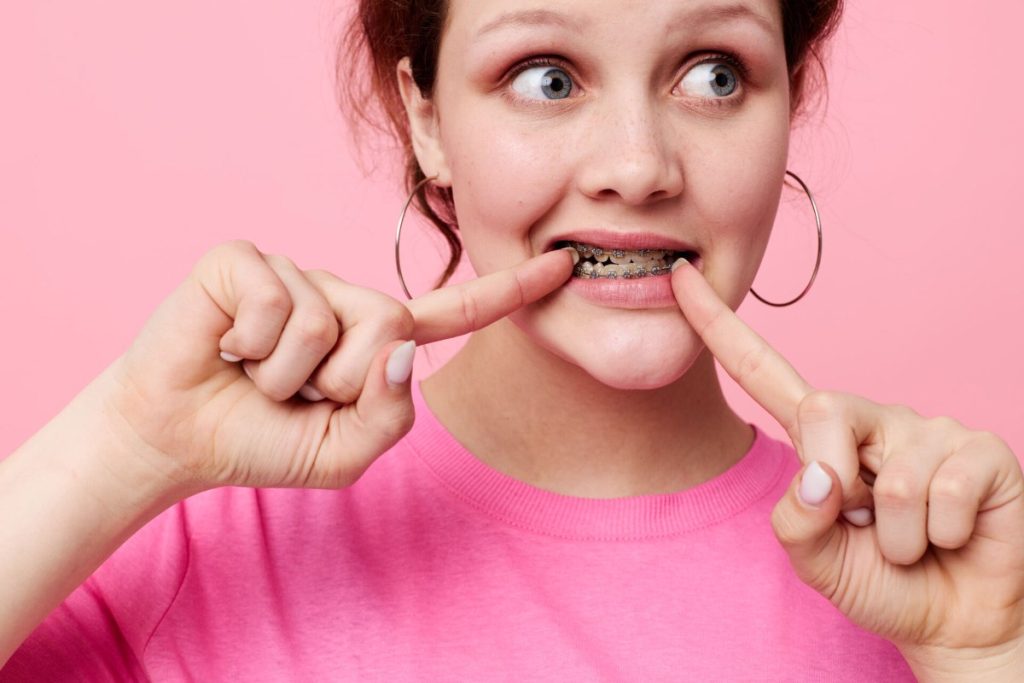
The teeth straightening question that basically everyone asks at some point: Invisalign or traditional braces?
It’s not a straightforward answer, which is probably annoying to hear when you’re trying to make a decision. Both work. Both have their advantages. And both have situations where they’re clearly the better choice.
The Obvious Differences
Let’s start with what everyone already knows. Invisalign uses clear plastic aligners that you can take out. Traditional braces use metal brackets and wires that stay fixed to your teeth until treatment’s done.
Invisalign’s nearly invisible – most people won’t notice you’re wearing them unless they’re looking closely. Braces are, well, visible. Even ceramic brackets that match your tooth colour still have wires running across them.
You can remove Invisalign to eat, brush your teeth, or for special occasions. Braces are there 24/7, no breaks.
That’s the surface-level stuff everyone talks about. But the real differences go a bit deeper than aesthetics and convenience.
What Each One Actually Does Best
Traditional braces excel at complex corrections. Severe crowding, significant bite issues, teeth that need rotating, major jaw alignment problems – this is where braces show their strength. They can apply force in multiple directions simultaneously, they’re working constantly, and your orthodontist has precise control over individual tooth movements.
Rotating stubborn teeth is particularly tricky with Invisalign. Braces can attach specific components to teeth that need rotating and apply targeted force. Invisalign can manage rotation to some degree, but it’s not always as effective, especially for teeth like canines that have rounded roots.
Closing large gaps? Braces handle this more predictably. The continuous force means steady movement, whereas with Invisalign, you’re relying on changing the aligners precisely on schedule and wearing them for the recommended 22 hours daily.
Invisalign works brilliantly for mild to moderate cases. Slight crowding, minor spacing issues, gentle bite corrections – these are Invisalign’s sweet spot. The treatment can be faster for simple cases, and the comfort level tends to be better since there’s no metal rubbing against your cheeks.
It’s also excellent for adults who’ve had braces before and are dealing with minor relapse. You don’t need the heavy artillery of traditional braces for small corrections.
The Lifestyle Factor
Here’s where individual circumstances matter quite a bit.
If you’re someone who plays wind instruments, Invisalign makes life easier. Try playing trumpet or clarinet with traditional braces and you’ll understand why. You can pop the aligners out for practice or performances.
Contact sports? Braces require a mouthguard, and even with one, there’s still metal in your mouth that can cause injuries if you take a hit to the face. Invisalign aligners actually provide a bit of cushioning themselves.
Professional situations where appearance matters – client-facing jobs, public speaking, on-camera work – often make Invisalign the more practical choice. Not everyone wants to do business presentations with visible braces, fair or not.
But Invisalign requires discipline. You need to wear the aligners 20-22 hours daily. Take them out for every meal, every snack, every coffee. Forget to put them back in and you’re extending your treatment time. Some people are brilliant at this. Others… not so much.
Braces don’t require that kind of compliance. They’re working whether you remember them or not. For teenagers especially, this can be a significant advantage – there’s no opportunity to “forget” to wear them.
Eating And Drinking
With braces, certain foods are off-limits. Hard, sticky, crunchy things can break brackets or bend wires. You adapt, but it is a restriction for the duration of treatment.
Invisalign lets you eat whatever you want – you just take the aligners out first. Sounds great, right?
In practice, though, the constant removal and reinsertion gets tedious. Eating out becomes a whole production: remove aligners, store them safely, eat, brush your teeth (or at minimum rinse thoroughly), put aligners back in. Some people find this more restrictive than just avoiding certain foods would be.
You also can’t drink anything except water while wearing Invisalign. Coffee, tea, wine – they’ll stain the aligners. Sugary drinks create a bacteria party between the aligner and your teeth. So every time you fancy a cup of tea, the aligners come out.
Comfort And Adjustment

Neither option is pain-free, let’s be clear about that. Braces create soreness after adjustments when the wires are tightened. This usually lasts a few days, then settles down until your next appointment. The brackets can rub against your cheeks and lips initially, though orthodontic wax helps with that. Most people adapt within a few weeks.
Invisalign creates pressure when you switch to a new set of aligners – typically every one to two weeks. Each new aligner is slightly different from the last, moving your teeth incrementally. The first couple of days with new aligners can be uncomfortable, then it eases off. The edges of the aligners can irritate your tongue or gums initially, but they’re smooth plastic rather than metal, so cuts are less common.
Some people find the constant low-level discomfort of changing aligners weekly more manageable than the periodic stronger discomfort of braces adjustments. Others prefer getting the adjustment soreness over with once a month, it’s genuinely just individual.
Treatment Time
This varies enormously depending on what needs correcting.
For straightforward cases, Invisalign can be faster – sometimes 6-12 months. Traditional braces for similar issues might take 12-18 months.
For complex cases, braces often work more efficiently. An 18-24 month estimate for comprehensive treatment with braces might stretch to 24-30 months with Invisalign, assuming you wear the aligners as directed.
But here’s the catch: Invisalign treatment time assumes perfect compliance. Wear the aligners less than recommended, and treatment extends. With braces, your timeline is more predictable regardless of your habits.
Cost Considerations
In the UK, pricing is often fairly comparable between Invisalign and traditional braces for similar complexity levels. Invisalign isn’t necessarily more expensive anymore, though it used to be.
Simple cases might cost £2,000-3,500 for either option. More complex treatments can run £3,500-5,500 or more. The specific cost depends on your individual case, how long treatment will take, and your orthodontist’s pricing structure.
Some practices offer payment plans that spread the cost over the treatment period, which makes either option more manageable financially.
Making The Decision
Think about what matters most to you. If you’ve got a complex case that needs significant correction, traditional braces are probably your best bet regardless of other factors. The results matter more than aesthetics during treatment.
If your case is mild to moderate and appearance is important – whether for professional or personal reasons – Invisalign likely makes sense, assuming you’re confident about wearing them consistently.
Consider your lifestyle honestly. Are you organised enough to manage the Invisalign routine? Or would the simplicity of braces (despite the dietary restrictions) actually be easier?
There’s also the question of choosing between aesthetic and corrective treatment priorities. Sometimes the best result requires a specific approach, and that should probably outweigh convenience factors.
The good news is you don’t have to figure this out alone. A proper consultation with experts in teeth straightening and jaw alignment like us will help assess your specific situation and give you realistic expectations for both options. We can show you what results you might expect, how long each approach would take, and what the experience would actually be like for your particular case.
Because ultimately, both Invisalign and braces work. The question isn’t which one’s better in general – it’s which one’s better for you, your teeth, and the life you’re actually living.
Book Your Dental Checkup Today
Ready to take control of your oral health? Whether it’s your first visit or a routine cleaning, regular dental checkups make all the difference. Our expert team is here to help you maintain a strong, confident smile.
MOST POPULAR TREATMENTS
Our Services

Our Doctor
Meet Doctors

Dr. Elif Keser
Dentist

Dr. Tania Rafael Garcia
Dental Surgeon

Dr. Gustavo Silva
Dental Surgeon
