
Fissure Sealants During Hygiene Appointments: What to Expect
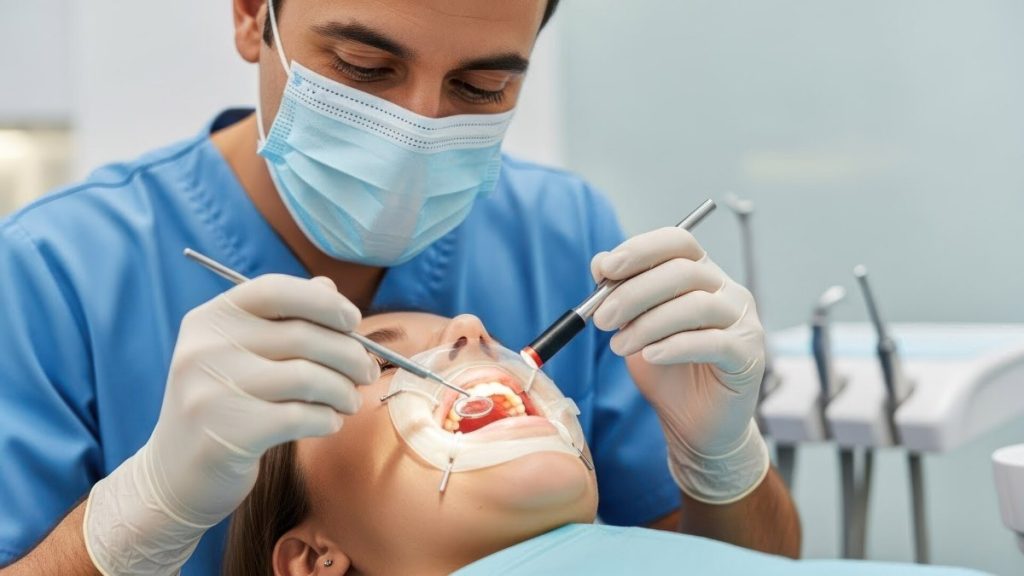
Preventive dentistry plays a major role in maintaining long-term oral health, particularly for children and teenagers who are still developing consistent brushing habits. One of the most effective preventive treatments used in modern dentistry is fissure sealant application – a quick, painless procedure designed to protect vulnerable areas of the teeth from decay.
However, many patients are unsure whether sealants are part of routine hygiene appointments, or whether they require a separate visit. Understanding when they are recommended, how they are applied, and what to expect during treatment helps make the process much clearer.
What Are Fissure Sealants?
Fissure sealants are thin protective coatings applied to the chewing surfaces of back teeth, particularly molars and premolars. These surfaces naturally contain deep grooves (fissures), which can trap food and bacteria, making them more prone to decay.
The sealant works by forming a protective barrier over these grooves, making the tooth surface smoother and easier to clean.
Key functions include:
- Preventing food and bacteria from becoming trapped in deep grooves
- Reducing the risk of cavities in molars and premolars
- Supporting long-term oral health during childhood and adolescence
- Providing additional protection in patients with higher decay risk
Sealants are most commonly used in children once permanent molars begin to erupt, but they can also be beneficial for some adults with deep fissures.
Are Fissure Sealants Done During Hygiene Appointments?
In many cases, fissure sealants can be applied during or shortly after a hygiene appointment, but this depends on clinical assessment and the structure of the dental practice.
A hygiene appointment typically focuses on:
- Removal of plaque and tartar (scale and polish)
- Gum health assessment
- Oral hygiene advice and prevention guidance
If sealants are required, they may be:
- Applied during the same visit if time allows and the teeth are suitable
- Scheduled for a separate short appointment following hygiene treatment
- Completed as part of a broader preventive or paediatric dental plan
The decision depends on factors such as the number of teeth being treated, patient age, and whether the teeth are fully erupted and dry enough for bonding.
What Happens During a Fissure Sealant Appointment?
The process of applying fissure sealants is simple, non-invasive, and completely painless. No drilling or injections are required, which makes it particularly suitable for children.
A typical procedure involves:
- Cleaning the tooth surface thoroughly
- Keeping the tooth dry using cotton rolls or isolation techniques
- Applying a mild etching gel to prepare the surface
- Rinsing and drying the tooth again
- Painting the liquid sealant into the grooves of the tooth
- Hardening the material using a special curing light
Once applied, the sealant forms a thin protective layer that blends into the natural tooth surface.
Patients can eat and drink shortly afterwards, and no recovery time is needed.
When Are Fissure Sealants Recommended?
Sealants are not required for every patient, but they are commonly recommended in cases where decay risk is higher or tooth anatomy makes cleaning more difficult.
Common situations include:
- Newly erupted permanent molars in children
- Deep grooves or fissures that are difficult to clean effectively
- Patients with a history of dental decay
- Children undergoing orthodontic treatment where cleaning is more challenging
- Patients with inconsistent brushing habits during early adolescence
Dentists often assess whether sealants are appropriate during routine check-ups or hygiene visits.
Do Hygiene Appointments Always Include Sealants?
Not all hygiene appointments include fissure sealants, as they are a preventive treatment rather than a standard part of cleaning.
Whether they are included depends on:
- The condition of the teeth being assessed
- Whether permanent molars have fully erupted
- The patient’s risk of decay
- Time available within the appointment
- Whether prior planning has been made for preventive treatment
In many cases, hygiene professionals will recommend sealants following an assessment, but treatment is usually scheduled separately if multiple teeth are involved.
How Long Do Fissure Sealants Last?

Fissure sealants are durable but not permanent. Over time, they can wear down due to normal chewing forces.
Typical longevity:
- Several years of protection in most cases
- May require periodic monitoring or reapplication
- Can be replaced if worn or chipped
Regular dental check-ups ensure that sealants remain intact and continue to provide protection.
Are Fissure Sealants Safe?
Yes, fissure sealants are considered a very safe and widely used preventive treatment in modern dentistry.
Key safety points:
- No drilling or removal of tooth structure is required
- The procedure is painless and non-invasive
- Materials used are biocompatible and safe for long-term use
- Widely recommended in paediatric dentistry guidelines
In some cases, fluoride varnish may be used alongside sealants for additional protection.
Benefits of Fissure Sealants for Children and Teens
Sealants are particularly valuable during childhood and adolescence when permanent teeth are newly erupted and more vulnerable to decay.
Benefits include:
- Strong reduction in risk of molar decay
- Protection during years when brushing habits are still developing
- Reduced need for fillings or restorative treatment later
- Quick, comfortable application with no discomfort
- Long-term support for oral health during orthodontic treatment
They are often considered one of the simplest and most effective preventive treatments available in dentistry.
Preventive Care and Oral Health During Treatment With Boston Orthodontics
While fissure sealants are typically associated with general and preventive dentistry, they are also highly relevant during orthodontic treatment, when maintaining clean, healthy teeth becomes more challenging due to braces or aligners.
Here at Boston Orthodontics, a premium orthodontic clinic in Belgravia, we consider preventive oral health an essential part of orthodontic care, particularly for children and teenagers undergoing active treatment. Ensuring teeth remain healthy throughout alignment is just as important as achieving the final aesthetic result.
With over 25 years of orthodontic experience in London, Dr Elif Keser and our clinical team place strong emphasis on supporting long-term dental health alongside tooth movement, with:
- Preventive monitoring of oral health throughout orthodontic treatment
- Guidance on hygiene techniques for patients with braces or aligners
- Coordination with general dental care where fissure sealants may be recommended
- Early identification of areas at higher risk of decay during treatment
- Support for children and teens developing long-term oral hygiene habits
- Integrated approach to orthodontic planning and preventive dentistry
- Focus on maintaining enamel health during active tooth movement
For younger patients in particular, we can combine orthodontic treatment with broader preventive strategies to ensure teeth remain healthy and protected throughout the alignment process.
A Small Preventive Step with Long-Term Impact
Fissure sealants are a simple but highly effective preventive treatment that can significantly reduce the risk of tooth decay, particularly in children and teenagers. While they are not always included in standard hygiene appointments, they are often recommended as part of a broader preventive care plan once permanent molars erupt.
Understanding when sealants are used and how they fit into routine dental care helps patients make more informed decisions about long-term oral health. Combined with regular hygiene visits and good daily brushing habits, they form an important part of modern preventive dentistry.
FAQs
1. Are fissure sealants part of every hygiene appointment?
No. They are applied only when clinically appropriate and are not a routine part of every cleaning visit.
2. Do fissure sealants hurt?
No. The procedure is completely painless and does not involve drilling or injections.
3. How long does the appointment take?
Applying sealants usually takes only a few minutes per tooth.
4. Can adults get fissure sealants?
Yes, although they are more commonly used in children and teenagers with newly erupted molars.
5. Do sealants replace the need for brushing?
No. They provide extra protection but must be combined with regular brushing and flossing.
Book Your Dental Checkup Today
Ready to take control of your oral health? Whether it’s your first visit or a routine cleaning, regular dental checkups make all the difference. Our expert team is here to help you maintain a strong, confident smile.
MOST POPULAR TREATMENTS
Our Services

Our Doctor
Meet Doctors

Dr. Elif Keser
Dentist

Dr. Tania Rafael Garcia
Dental Surgeon

Dr. Gustavo Silva
Dental Surgeon
