
Crossbite: Causes, Symptoms, and Treatment
Dental health isn’t only about keeping teeth straight and white. It’s also about how the upper and lower teeth fit together when you bite. When that relationship isn’t aligned, issues can develop over time – and one of the most common bite problems we see in orthodontics is the crossbite.
A crossbite may sound simple enough, but its impact can be surprisingly wide. Left untreated, it can affect everything from jaw function to overall oral health. The good news? With the right treatment, a crossbite can be corrected effectively. Let’s look at what it is, why it happens, and what you can do about it.
What Is a Crossbite?
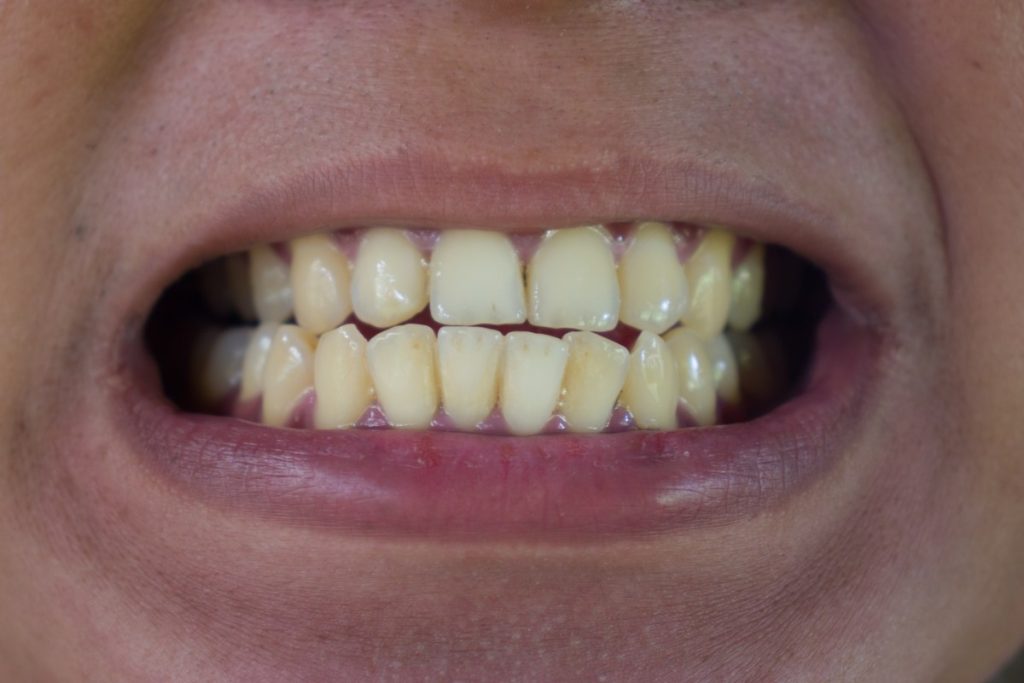
In a healthy bite, the upper teeth should sit slightly over the lower teeth, like a lid closing over a box. A crossbite occurs when this relationship is reversed – some of the upper teeth bite inside the lower ones instead.
Crossbites can occur at the front of the mouth (anterior crossbite) or the sides (posterior crossbite). They can affect one tooth, a group of teeth, or an entire arch.
It may sound like a minor issue, but even a single tooth out of place can cause long-term complications if not treated.
Causes of Crossbite
Several factors can contribute to the development of a crossbite:
- Genetics: The size and shape of your jaw can be inherited. If one arch is narrower than the other, crossbites are more likely.
- Delayed tooth eruption: If baby teeth fall out too early – or too late – it can disrupt the natural alignment of adult teeth.
- Habits in childhood: Thumb-sucking, prolonged dummy use, or mouth breathing can influence how the teeth and jaws develop.
- Skeletal discrepancies: Sometimes, the underlying jawbone is misaligned, not just the teeth.
In reality, crossbites are often caused by a combination of these factors rather than one single reason.
Symptoms of a Crossbite
Crossbites aren’t always painful or obvious, which means some people live with them without realising the potential consequences. Signs can include:
- Teeth that don’t line up properly when you bite down
- Difficulty chewing or biting food evenly
- Jaw discomfort or clicking
- Uneven wear on teeth (one side being worn down more than the other)
- In severe cases, facial asymmetry or speech difficulties
Children may also shift their jaw to one side to compensate, which can cause long-term issues if not corrected early.
Why Treatment Matters
It’s tempting to think: if it’s not hurting, why fix it? But untreated crossbites can cause a cascade of issues over time. These include:
- Excessive wear: Teeth grinding against each other in the wrong way.
- Gum recession: Teeth biting outside the natural arch can push gums back.
- Jaw strain: Leading to discomfort or even temporomandibular joint (TMJ) disorders.
- Aesthetic concerns: Crossbites can affect the appearance of the smile and, in some cases, facial balance.
Treatment isn’t just about improving the look of your teeth – it’s about protecting their long-term health and function.
How Is a Crossbite Treated?
The right treatment depends on the severity, the patient’s age, and whether the issue is dental (teeth position) or skeletal (jaw structure). Options include:
- Braces: Traditional braces are often used to move teeth into proper alignment, correcting mild to moderate crossbites.
- Palatal expanders: In children and adolescents, these widen the upper jaw to create more space and correct posterior crossbites.
- Clear aligners: In some cases, aligners can be used to gradually reposition teeth, though not always suitable for complex crossbites.
- Surgical options: For severe skeletal discrepancies in adults, jaw surgery may be necessary in combination with orthodontics.
Orthodontists design treatment plans tailored to the individual – there isn’t a one-size-fits-all fix.
Treatment for Children vs Adults

Crossbites are generally easier to treat in children because their jaws are still developing. Appliances like expanders can take advantage of natural growth to guide alignment.
In adults, treatment is still very effective, but the process may be more involved. The bones are fully developed, which sometimes means braces alone aren’t enough. Still, modern orthodontics offers a wide range of solutions to achieve excellent results at any age.
Living With Treatment
Crossbite correction requires patience. Braces, elastics, or expanders take time to move teeth safely into their new positions. Discomfort is normal in the early stages, but it eases as your mouth adjusts.
The reward is worth it: improved function, better oral health, and greater confidence in your smile. Most patients adapt quickly to the appliances and find that the benefits far outweigh the inconveniences.
Prevention: Is It Possible?
Not all crossbites can be prevented, particularly those caused by genetics. However, addressing habits like thumb-sucking early, monitoring the timely loss of baby teeth, and ensuring children see an orthodontist at the recommended age (around 7 years old) can help catch potential problems before they worsen.
Early intervention often means simpler, shorter treatment.
Final Thoughts
A crossbite may start as a small misalignment, but its impact can ripple across your dental health if left unchecked. The good news is that modern orthodontics offers effective solutions for patients of all ages.
Whether through braces, expanders, or more advanced treatments, correcting a crossbite improves not just your smile, but your bite, comfort, and long-term health.
At Boston Orthodontics, our trusted dental specialists provide personalised care to diagnose and treat conditions like crossbites with precision and empathy. If you suspect you – or your child – may have a crossbite, seeking advice sooner rather than later can make all the difference.
Book Your Dental Checkup Today
Ready to take control of your oral health? Whether it’s your first visit or a routine cleaning, regular dental checkups make all the difference. Our expert team is here to help you maintain a strong, confident smile.
MOST POPULAR TREATMENTS
Our Services

Our Doctor
Meet Doctors

Dr. Elif Keser
Dentist

Dr. Tania Rafael Garcia
Dental Surgeon

Dr. Gustavo Silva
Dental Surgeon
