
Braces vs Invisalign: Which London Orthodontist Treatment Plan Fits Your Lifestyle
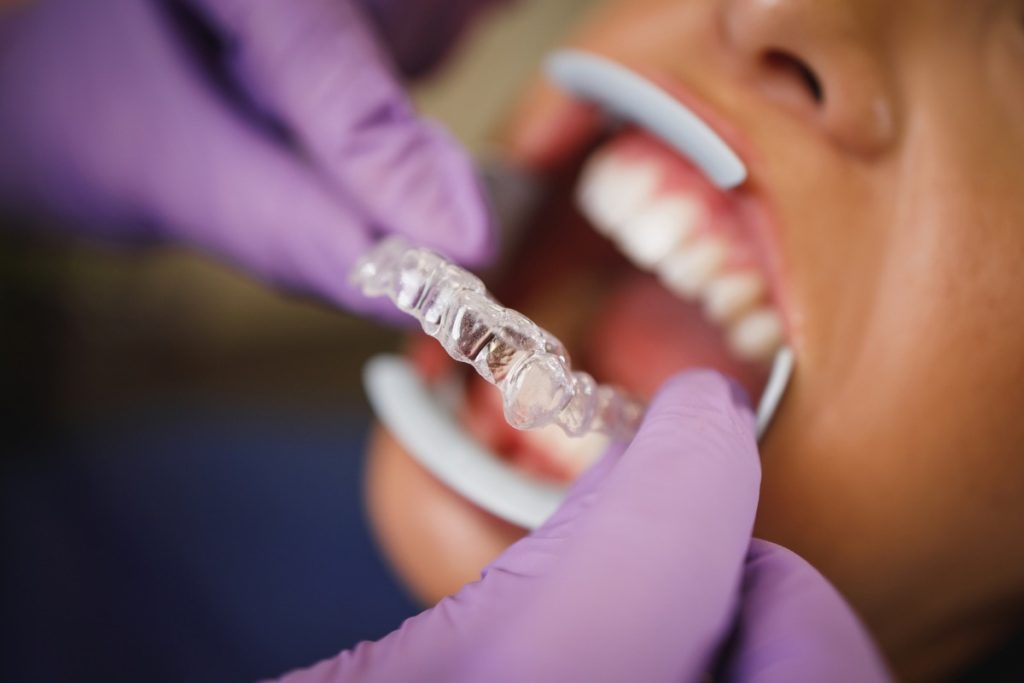
The braces versus Invisalign question comes up in almost every initial orthodontic consultation in London, and the honest answer – which most clinics will tell you – is that it depends. Not just on the clinical complexity of your case, but on how you actually live, what you do for work, how disciplined you are about maintaining appliances, and what outcome you’re prioritising.
This guide works through the real differences between the two approaches in a way that helps you have a more productive conversation with your orthodontist rather than going in already decided.
The Clinical Reality First
Before the lifestyle question can be answered, there’s a clinical baseline to establish. Not every case is suitable for both treatment types, and getting this wrong is where the conversation can go off track.
- Fixed braces remain the clinical gold standard for complex tooth movements, significant rotations, and cases requiring precise torque control over root positions
- Invisalign has advanced considerably over the last decade and is now appropriate for a wider range of cases than it was, including many moderate to complex presentations
- Some cases that patients assume require braces can be treated effectively with Invisalign; others that patients assume Invisalign can handle are better treated with fixed appliances
- A specialist orthodontist’s assessment – not a preference for one product or another – should determine which is clinically appropriate for your specific situation
The lifestyle question only becomes relevant once both options are clinically appropriate. If your case genuinely requires fixed braces, the lifestyle comparison is academic.
The Visibility Factor
This is usually the first thing people mention, and it matters differently depending on your professional and social context.
- Standard metal fixed braces are the most visible option – unavoidable and obvious in conversation, photographs, and professional settings
- Ceramic (tooth-coloured) fixed braces are significantly less visible than metal but still present on the front of teeth
- Lingual braces are fixed appliances placed on the inside surface of teeth – invisible from the front, but more complex to manage and typically more expensive
- Invisalign aligners are clear and close to invisible in most social and professional settings; most people won’t notice them unless looking closely
For adults in professional roles, client-facing positions, or anyone for whom visible appliances would cause significant anxiety, the visibility difference is a real quality-of-life factor throughout treatment, which typically runs for twelve to twenty-four months.
Removability and What It Actually Means in Practice
Invisalign aligners are removable, which is both their most significant advantage and the source of their most significant risk.
- Aligners must be worn for a minimum of twenty-two hours per day to achieve the planned tooth movement – this is a clinical requirement, not a suggestion
- They can be removed for eating and drinking (anything other than plain water), which means no dietary restrictions and easier dental hygiene
- Fixed braces work continuously without any compliance requirement – the appliance does its job regardless of patient behaviour
- Patients who are not disciplined about wear time will get slower results and may compromise their final outcome
This matters most for teenagers, who may struggle with compliance, and for adults whose lifestyle involves frequent social eating, speaking engagements, or situations where taking aligners out and back in repeatedly throughout the day is impractical.
Dietary Considerations

Fixed braces come with a list of foods to avoid – anything hard, sticky, or chewy that risks breaking brackets or bending wires.
- Hard foods: nuts, raw carrots, hard bread crusts, boiled sweets
- Sticky foods: chewing gum, toffee, certain dried fruits
- Anything requiring biting directly into it with front teeth: apples, corn on the cob
For most patients this is manageable with some adjustment, but for people who travel frequently, eat out regularly, or whose diet is difficult to modify (athletes following specific nutrition protocols, for instance), the restriction can be a genuine quality-of-life issue across a multi-year treatment.
Invisalign has no dietary restrictions, since aligners are removed before eating. The trade-off is the discipline of removing and replacing them consistently, and maintaining good oral hygiene each time before replacing.
Dental Hygiene During Treatment
This is an underrated difference that significantly affects both comfort and long-term dental health.
- Cleaning around fixed brace brackets and wires requires interdental brushes, specialist floss threaders, and considerably more time than standard brushing – failure to clean adequately increases the risk of white spot lesions (permanent marks left where plaque has accumulated around brackets) and gum inflammation
- Invisalign allows normal brushing and flossing since aligners are removed for oral hygiene, making it easier to maintain good dental health throughout treatment
- Patients with a history of gum disease or who know they are not diligent about oral hygiene should factor this into their decision
Duration of Treatment
Treatment length varies enormously by case complexity, and generalisations are less useful than a specific assessment. That said, some patterns hold.
- For equivalent tooth movements, Invisalign treatment tends to run slightly longer than fixed braces in many cases – partly because aligner changes happen at set intervals rather than continuously
- Very complex cases tend to be faster with fixed braces, where the orthodontist has more direct control over tooth movement mechanics
- Accelerated orthodontic techniques – including piezocision, a technique in which Dr Elif Keser at Boston Orthodontics was one of the pioneers – can reduce treatment time significantly for appropriate cases
Cost in London
Pricing varies considerably across London clinics, and the range is wide enough that cost comparisons are most useful as a general framework rather than a precise guide.
- Fixed metal braces: typically £3,000 to £6,000 for a full course of private treatment
- Ceramic braces: usually slightly more than metal, in the same range
- Lingual braces: typically £5,000 to £10,000 or more given the additional complexity
- Invisalign: typically £3,000 to £7,000 depending on case complexity and provider tier
At Boston Orthodontics, fixed braces start from £4,500 and Invisalign from £2,500, with the final cost dependent on case complexity.
FAQs
Can I switch from braces to Invisalign mid-treatment?
In some circumstances yes, but it’s not always clinically appropriate and may involve additional cost. The better approach is to make the right choice at the start rather than switching partway through. If you’re considering this, discuss it with your orthodontist and get a clear clinical rationale.
Does Invisalign hurt less than braces?
Both cause some discomfort, particularly in the first few days after starting and after each adjustment or aligner change. Most patients find aligner discomfort slightly less intense than the soreness from brace wire tightening, but individual experience varies considerably.
Is Invisalign suitable for complex cases?
Increasingly yes – Invisalign’s technology has improved significantly and the range of cases it can treat has expanded. However, there are still categories of movement – particularly significant root torque and complex skeletal corrections – that are better achieved with fixed appliances. A specialist orthodontist should advise which is appropriate for your case rather than you deciding in advance.
Do I need retainers after both types of treatment?
Yes – retention is required after all orthodontic treatment regardless of the appliance used. Without retainers, teeth tend to relapse toward their original positions over time. Most patients wear removable retainers at night long-term, and many also have fixed retainers bonded to the inside of their front teeth.
Which option is better for adults?
There’s no universal answer, but many adults prioritise Invisalign for professional visibility reasons. The compliance requirement is also easier for adults to maintain than for teenagers. That said, if your case clinically requires fixed braces, that should be the determining factor.
Book Your Dental Checkup Today
Ready to take control of your oral health? Whether it’s your first visit or a routine cleaning, regular dental checkups make all the difference. Our expert team is here to help you maintain a strong, confident smile.
MOST POPULAR TREATMENTS
Our Services

Our Doctor
Meet Doctors

Dr. Elif Keser
Dentist

Dr. Tania Rafael Garcia
Dental Surgeon

Dr. Gustavo Silva
Dental Surgeon
