
Braces for Kids in London: What It Costs, When to Start, and What the First Year Looks Like
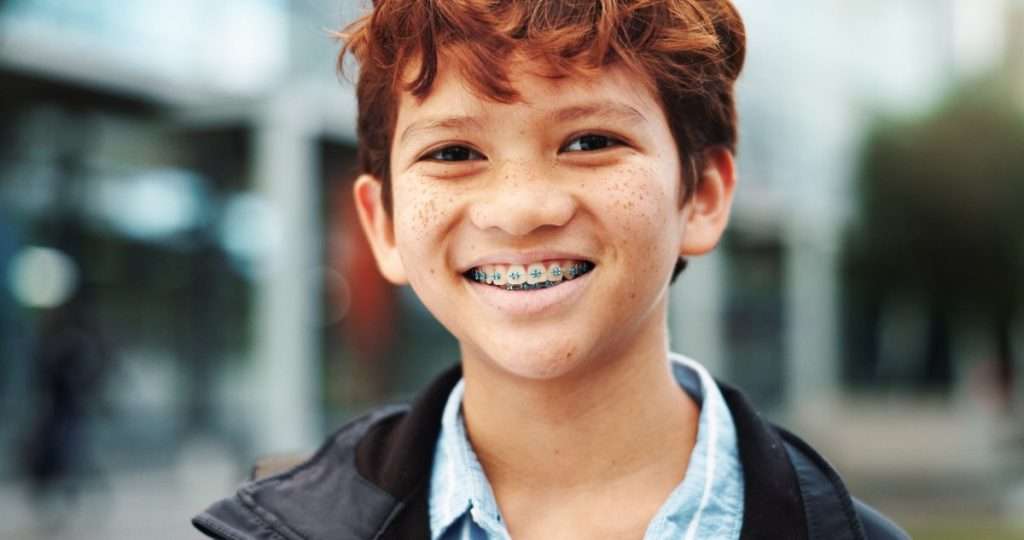
Braces for kids in London start at £2,500 for early treatment at our practice, and most children don’t need anything until eleven or twelve. The first year is a fitting, an adjustment every six to eight weeks, a sore few days after each one, and a lot of nagging about brushing.
Parents usually arrive with two questions and only ask one of them. The one they ask is when. The one they’re thinking is how much.
Both answers are below.
When children actually need braces
The first assessment is recommended at around seven. Treatment at seven is a different matter and most children don’t need it.
What an assessment at seven catches is the small group of problems that are far easier to fix while the jaws are still growing. A crossbite that makes the lower jaw shift sideways to bite. A severe overbite where the top teeth stick far enough forward to be at real risk in a playground collision. Crowding severe enough that an adult tooth has nowhere to come down into. Those cases benefit from starting early, and our early orthodontic treatment page covers what that involves.
Everything else waits. The usual window for a full course of braces for kids is eleven to thirteen, once most adult teeth are through, and starting earlier than needed just means a longer time in appliances.
What braces for kids cost in London
Our published figures, so you can compare them against anything else you’ve been quoted:
- Early treatment, from £2,500
- Fixed braces, from £6,500
- Consultation producing a written plan, £275, which comes off the treatment cost if you proceed
- Child exam, £120, including two small x-rays
- Hygiene for under sixteens, £120
- Fissure sealants, £85 per tooth
- Fluoride application, £80
The full list sits on our 2026 fees page, and finance spreads treatment across the months rather than up front.
Why two quotes for the same child can differ by thousands
Three reasons, and none of them are dishonest.
Phases. Some children need early treatment and then a second course once the adult teeth arrive. A quote covering phase one only is a smaller number than a quote covering both. Ask which you’re being shown.
Retainers. Teeth move back, children have decades for that to happen, and retention is what prevents it. A quote that ends when the braces come off is incomplete.
Who does the appointments. An orthodontist running every visit costs more than an orthodontist planning the case and a therapist delivering it.
Line two quotes up against those three and most of the gap explains itself.
What the first year actually looks like
Fitting day. An hour or so. Nothing painful on the day itself, mostly fiddly and boring for the child. They leave with a brush kit and a list of foods to avoid.
Days two to four. The ache. Biting hurts, so soft food for a few days and normal children’s painkillers. This repeats mildly after each adjustment and children stop mentioning it after the second or third round.
Every six to eight weeks. An adjustment appointment, usually twenty minutes. This is the rhythm for the whole treatment.
Somewhere in month two or three. Something breaks. A bracket comes off eating something it shouldn’t have, or a wire starts digging in. Ring the practice rather than waiting for the scheduled appointment.
Throughout. The brushing argument. This is the part that actually determines the result. Plaque sitting around brackets for months leaves permanent white marks on the teeth, which is a miserable outcome after two years of treatment. Hygiene appointments during treatment aren’t an upsell, they’re how you avoid that, and our hygiene page explains what’s involved.
Fixed braces or something removable?
For most children, fixed. Not because fixed braces are better in the abstract, but because they work whether or not your child remembers.
Removable appliances and clear aligners can be excellent for the right child. The question isn’t whether your eleven year old is responsible. It’s whether they’ll wear something for twenty two hours a day, every day, for eighteen months, including during a school trip and the week they fall out with their best friend. Some will. Many won’t, and there’s no shame in choosing the appliance that doesn’t depend on it. We cover the removable route on our Invisalign for kids page.
Getting to the practice
We’re at 2 Grosvenor Gardens, fourth floor, about two minutes’ walk from Victoria station. Families come to us on foot from Belgravia, Pimlico and Westminster, and from Chelsea, Knightsbridge and Marylebone in under half an hour. Adjustment appointments are short, which matters when you’re doing them for two years, and the 8pm finishes on Wednesdays and Thursdays plus Saturday mornings mean most families manage without pulling children out of lessons.
Common questions about braces for kids
How long will my child be in braces? Twelve to twenty four months for most cases. Early treatment phases are shorter, often six to twelve months, followed by a gap and sometimes a second phase.
Will braces affect sport? Not with a mouthguard, and a child in fixed braces playing contact sport needs one made to fit over the appliance. Arrange it before the season, not after.
What can’t my child eat? Anything hard, sticky or chewy. Toffee, boiled sweets, whole apples, crusty bread, chewing gum. Most breakages come from this list.
Can we switch to a different practice if we move? Yes, though expect a transfer fee and new records at the new practice. It’s smoother mid treatment than people expect.
Does the £275 consultation come off the cost? Yes. If you go ahead with treatment, it’s deducted.
Book your child’s assessment
An assessment tells you whether to start now, wait a year, or do nothing at all. Book a consultation or call 020 3858 0068.
Boston Orthodontics, 2 Grosvenor Gardens, 4th Floor, Belgravia, London SW1W 0DH. More detail on our children’s braces page.
MOST POPULAR TREATMENTS
Our Services

Our Doctor
Meet Doctors

Dr. Elif Keser
Specialist Orthodontist

Dr. Tania Rafael Garcia
Dental Surgeon

Dr. Gustavo Silva
Dental Surgeon
