
How Orthodontics Helps With Speech Issues
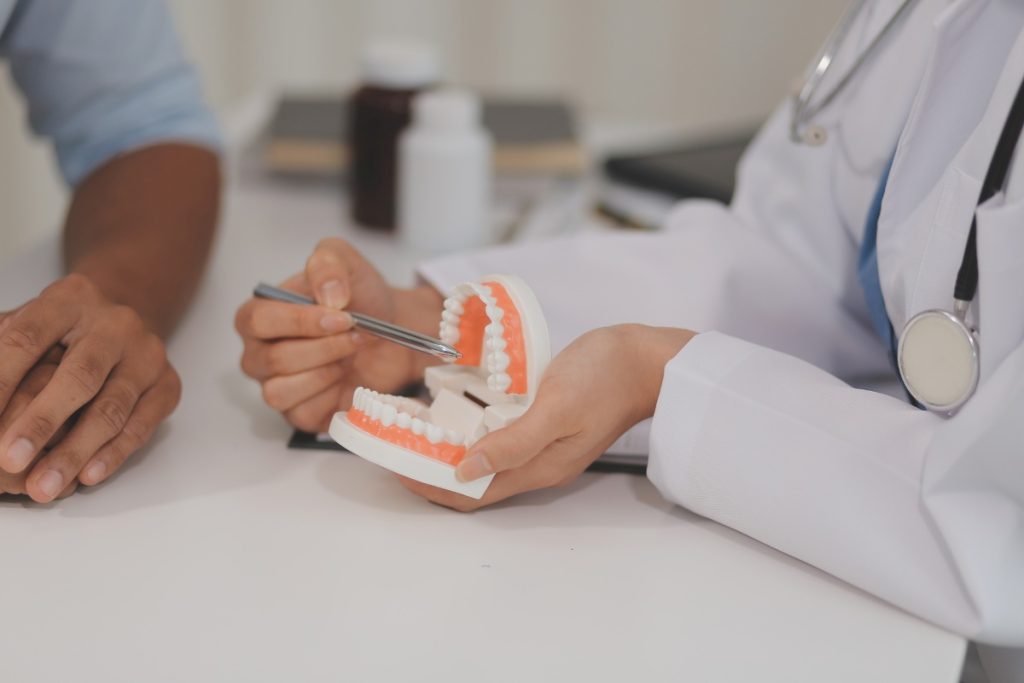
Most people associate orthodontics with straighter teeth and better smiles. Fair enough. But there’s another benefit that doesn’t get talked about nearly as much: speech improvement.
It’s not something everyone thinks about when they’re weighing up whether to get braces or aligners, but the connection between tooth position and how we form sounds is pretty significant. Your teeth, tongue, and palate all work together when you speak, and if one part of that system isn’t quite right, it can affect the whole thing.
The Mechanics Of Speech
When you talk, your tongue hits different parts of your mouth to create different sounds. For ‘th’ sounds, your tongue typically touches your front teeth. For ‘s’ and ‘z’, air flows between your teeth. If your teeth are crowded, spaced too far apart, or your bite’s misaligned, these sounds can come out distorted.
Take a lisp, for instance. Often caused by tongue thrust or gaps between the front teeth, it’s one of the more common speech issues that orthodontics can address. When there’s too much space for air to escape through, ‘s’ sounds turn into ‘th’ sounds. Close that gap, and the mechanics change.
Or consider an overbite. If your top teeth stick out too far over your bottom ones, it can make certain sounds harder to pronounce clearly. Same with an underbite – when your lower jaw juts forward, it shifts where your tongue naturally rests and moves, which affects articulation.
Which Speech Problems Can Orthodontics Actually Fix?
Not every speech issue stems from tooth position, obviously. Some are neurological, some are muscular, and some are just learned habits that need speech therapy to correct. But orthodontics can make a real difference for several specific problems.
Interdental lisps – where the tongue pushes through the teeth during ‘s’ and ‘z’ sounds – often improve once the spacing issues are corrected. Difficulty with ‘t’ and ‘d’ sounds, which require the tongue to press against the roof of the mouth just behind the front teeth, can get easier when overcrowding is sorted out and there’s actually room for proper tongue placement.
Whistling sounds during speech? Usually down to gaps or misaligned teeth creating unintended air channels.
The thing is, fixing these issues isn’t always immediate. Your brain’s spent years compensating for whatever structural problem you had. Once braces or aligners shift things into better alignment, you might need some time – and possibly a bit of speech therapy – to retrain those muscle patterns.
Timing Matters More Than You’d Think
There’s a reason orthodontists often recommend early intervention for kids. Their mouths are still developing, their speech patterns aren’t fully set, and correcting alignment issues before permanent habits form makes everything easier down the line.
But that doesn’t mean adults are out of luck. Plenty of people sort out oral habits that affect speech well into adulthood and see improvements. It just might take a bit longer to adjust.
Working With A Speech Therapist

Here’s where things get interesting. For some people, orthodontic treatment alone does the job. Teeth move into position, speech clears up naturally as they adapt. Done.
For others, especially if there are ingrained habits or more complex issues, working with a speech therapist alongside orthodontic treatment gives the best results. The orthodontist fixes the structural problem, the speech therapist helps retrain the muscles and tongue placement. It’s a team effort.
Speech therapists can assess which sounds you’re struggling with and create exercises specifically for your situation. They’ll work on tongue placement, airflow control, and building new muscle memory. Combined with the physical changes from braces or aligners, this dual approach tends to be pretty effective.
What To Expect During Treatment
If you’re getting orthodontic treatment partly to address speech issues, patience is your friend. The first few weeks can actually make things temporarily worse – braces feel weird, aligners create a slight thickness in your mouth, and you’re probably going to sound a bit different while you adjust.
Most people adapt within a couple of weeks. Your tongue learns to work around the hardware, and any temporary speech changes usually disappear. Then, as your teeth gradually move into better positions, you might notice certain sounds becoming easier to produce.
The full benefits often don’t show up until after treatment’s finished and you’ve had time to adjust to your new alignment. Some people notice improvements right away. Others need a few months of speaking with their newly positioned teeth before everything clicks into place.
Beyond Just Speech
The funny thing about orthodontics is how interconnected everything is. Fix one issue, and you often improve several others you weren’t even thinking about. Better tooth alignment doesn’t just help with speech – it can improve chewing efficiency, reduce jaw pain, make cleaning your teeth easier, and yes, give you that aesthetic improvement too.
If you’re considering orthodontic treatment and have concerns about speech issues, it’s worth discussing them specifically with your orthodontist. They can assess whether your particular speech difficulties are likely to improve with treatment and what kind of timeline you might be looking at.
Different orthodontic approaches might suit different needs. Sometimes traditional braces are the way to go. Other times, clear aligners work perfectly well. It really depends on what needs correcting and how complex your case is.
If you’re curious about how orthodontic treatment might help you – whether for speech issues or any other concerns – explore our approach to modern orthodontic care. We look at the whole picture, not just the obvious stuff, because that’s how you get results that actually make a difference to your daily life.
Book Your Dental Checkup Today
Ready to take control of your oral health? Whether it’s your first visit or a routine cleaning, regular dental checkups make all the difference. Our expert team is here to help you maintain a strong, confident smile.
MOST POPULAR TREATMENTS
Our Services

Our Doctor
Meet Doctors

Dr. Elif Keser
Dentist

Dr. Tania Rafael Garcia
Dental Surgeon

Dr. Gustavo Silva
Dental Surgeon
