
Dental Hygiene: Your First Step to a Lifetime of Healthy Smiles
Dental Hygiene: Your First Step to a Lifetime of Healthy Smiles
Dental hygiene is more than just brushing your teeth — it’s a comprehensive approach to maintaining oral health, preventing disease, and ensuring your smile stays strong and confident. Proper dental care affects not only your mouth but your entire well-being. In this guide, we’ll explore what dental hygiene entails, why it’s crucial, and how to build a routine that protects your teeth and gums for years to come.
What Is Dental Hygiene?
Dental hygiene refers to the practices and habits that maintain the cleanliness and health of your mouth, including the teeth, gums, tongue, and other oral tissues. It includes daily routines such as brushing and flossing, as well as professional dental services like cleanings and exams. The goal is to remove plaque and tartar, prevent cavities and gum disease, and support long-term oral care.
Why Is Dental Hygiene Important?
Maintaining good dental hygiene is critical for a variety of reasons. Here are the primary benefits:
- Prevents Tooth Decay: Brushing and flossing remove plaque, the main cause of cavities and decay.
- Protects Gum Health: Poor hygiene can lead to gingivitis and periodontitis, which may cause bleeding gums and tooth loss.
- Improves Breath: Clean teeth and a clean tongue help eliminate bacteria that cause bad breath (halitosis).
- Enhances Overall Health: Chronic inflammation and infection in the mouth are linked to serious conditions such as heart disease, diabetes, and even Alzheimer’s.
- Saves Money: Preventive care reduces the need for expensive restorative dental treatments down the line.
Daily Dental Hygiene Habits You Should Follow
Building a daily routine is the foundation of good dental hygiene. Here’s what you should include:
- Brush at Least Twice Daily: Use a soft-bristled toothbrush and fluoride toothpaste. Pay attention to brushing all surfaces of the teeth.
- Floss Once a Day: Flossing removes plaque and food debris between the teeth where brushes can’t reach.
- Use Mouthwash: A fluoride or antibacterial rinse helps reduce bacteria and strengthens enamel.
- Scrape Your Tongue: A tongue scraper or gentle brushing removes bacteria that contribute to bad breath.
- Stay Hydrated: Water helps wash away food particles and keeps saliva levels healthy, which naturally protects your teeth.
- Limit Sugary Snacks: Sugar feeds the bacteria in plaque, accelerating decay. Opt for healthy snacks instead.
Don’t Skip Your Dental Checkups
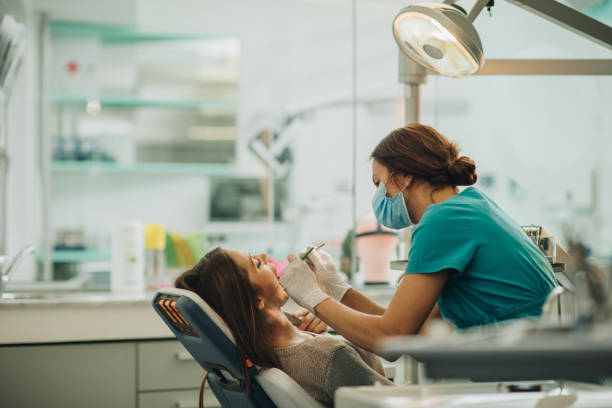
Regular dental checkups and professional cleanings are just as important as daily brushing. Your dentist can identify early signs of issues such as cavities, gum inflammation, or even oral cancer. It’s typically recommended to visit your dentist every six months, but your needs may vary based on your oral health history.
Dental Hygiene Tips for Children and Teens
Starting strong dental habits early helps kids maintain healthy teeth into adulthood. Parents should supervise brushing for younger children and make dental care fun. Fluoride treatments and dental sealants are often recommended for added protection during formative years.
- Introduce toothbrushing as soon as the first tooth appears.
- Use child-sized toothbrushes and flavored toothpaste to encourage participation.
- Schedule the first dental visit by the age of 1.
What Happens If You Neglect Dental Hygiene?
Ignoring dental hygiene practices can lead to:
- Tooth decay and cavities
- Gum disease and receding gums
- Persistent bad breath
- Tooth loss or the need for root canal treatments
- Increased risk of systemic infections and heart disease
Conclusion: Invest in Your Smile
Dental hygiene isn’t just about having clean teeth — it’s about protecting your health, saving money, and feeling confident every day. By following a consistent oral hygiene routine and working closely with your dental care provider, you can enjoy the benefits of a healthy, radiant smile for life.
Healthy habits start with you. Brush smart, floss daily, and visit your dentist regularly — because your smile deserves the best care.
Book Your Dental Checkup Today
Ready to take control of your oral health? Whether it’s your first visit or a routine cleaning, regular dental checkups make all the difference. Our expert team is here to help you maintain a strong, confident smile.
Frequently Asked Questions (FAQ)
How often should I brush my teeth?
You should brush your teeth at least twice a day — once in the morning and once before bed — using fluoride toothpaste and a soft-bristled toothbrush.
Is flossing really necessary?
Yes! Flossing removes plaque and food particles between the teeth and below the gumline, areas your toothbrush can’t reach.
What type of toothbrush should I use?
A soft-bristled toothbrush is ideal for most people. Electric toothbrushes can also be effective, especially for those with limited dexterity.
Can poor dental hygiene affect my overall health?
Absolutely. Poor oral health has been linked to heart disease, diabetes, stroke, and even complications during pregnancy. Oral bacteria and inflammation are key contributors.
At what age should children start seeing the dentist?
Children should visit the dentist by their first birthday or when their first tooth appears — whichever comes first. Early visits help monitor development and build comfort with dental care.
MOST POPULAR TREATMENTS
Our Services

Our Doctor
Meet Doctors

Dr. Elif Keser
Dentist

Dr. Tania Rafael Garcia
Dental Surgeon

Dr. Gustavo Silva
Dental Surgeon
