
7 Key Factors to Compare London Orthodontic Treatment Plans
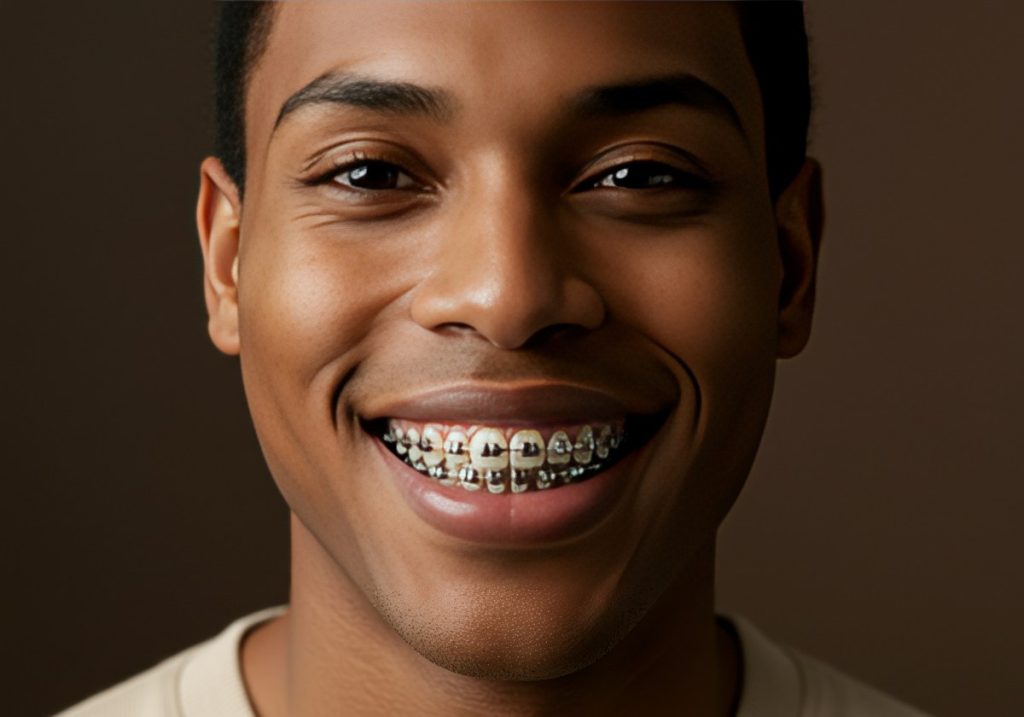
London has more orthodontic clinics than most cities in Europe, and the range of treatment plans, pricing structures, and clinical approaches varies considerably. For anyone navigating this market for the first time – whether for themselves or a child – knowing what to compare is more useful than any individual recommendation.
Here are the seven factors that actually differentiate orthodontic treatment plans in London, and how to evaluate each one.
1. Clinical Credentials of the Treating Orthodontist
This is the most important factor and the one most commonly overlooked in favour of more visible differentiators like price or convenience. There is a meaningful clinical difference between a specialist orthodontist and a general dentist offering orthodontic treatments.
- A specialist orthodontist is registered on the General Dental Council (GDC) specialist register, which requires completion of a full-time postgraduate qualification in orthodontics – typically a three-year programme beyond dental school
- A general dentist can legally offer orthodontic treatments (including Invisalign) without this qualification, having completed shorter additional training
- For straightforward cases, the difference may be less critical. For complex cases, mixed dentition in children, surgical cases, or cases requiring precise root movement, specialist expertise is clinically significant
- You can verify GDC specialist registration at gdc-uk.org
Always establish at consultation whether the clinician leading your treatment is a GDC-registered specialist orthodontist, and if not, what their orthodontic training consists of.
2. Diagnostic Technology Used
The quality of diagnosis shapes the quality of treatment. Clinics using advanced imaging and digital planning tools produce treatment plans that are more precise and more predictable than those relying on older methods.
- iTero digital scanning eliminates the need for alginate impressions and provides a highly accurate 3D digital model of the teeth. It’s also the basis for Invisalign’s ClinCheck treatment planning software.
- CBCT imaging provides 3D X-ray data showing bone structure, root positions, and jaw anatomy – particularly relevant for complex cases, skeletal discrepancies, and treatment planning in children
- Outcome simulation tools allow patients to see a visualisation of their projected result before committing to treatment
- Traditional 2D X-rays and plaster models are still used by some clinics and provide less diagnostic information
Ask specifically what imaging is used, what it shows, and whether you’ll see a visualisation of your planned result before treatment begins.
3. Range of Treatment Options Offered
A clinic that only offers one or two treatment types cannot make an unbiased recommendation between them. A clinic with a full range of options is more likely to recommend what’s genuinely best for your case.
- The full treatment range should include: removable appliances, fixed metal braces, ceramic braces, lingual (hidden) braces, and clear aligner systems (Invisalign and alternatives)
- For children, early interceptive appliances (functional appliances, expanders) should also be available
- Some clinics are effectively single-product practices – excellent at Invisalign, for instance, but without the expertise or equipment to handle cases where fixed braces are the better clinical choice
At Boston Orthodontics, the full range is available – from simple removable appliances for young children through to complex surgical cases – which means the recommendation you receive is based on your clinical needs rather than the practice’s product preferences.
4. Treatment Planning Process and Personalisation

Two patients with similar presenting problems can require quite different treatment plans if their facial anatomy, skeletal structure, and long-term goals differ. Genuinely personalised treatment planning takes all of this into account.
- The best treatment plans consider facial harmony as well as tooth position – the goal is a result that looks natural in context, not just straight teeth in isolation
- A good consultation should include discussion of your specific goals, any concerns, and the trade-offs between different approaches
- Treatment plans should be presented in writing with clear timelines, expected outcomes, and the sequencing of treatment stages
- For Invisalign, a ClinCheck video showing each stage of planned tooth movement should be available before you commit
Be cautious of consultations that produce a treatment plan and price very quickly without detailed examination or discussion. A thorough assessment takes time.
5. Monitoring Protocol During Treatment
How a clinic monitors your treatment between appointments significantly affects whether the final result matches the planned outcome.
- Progress checks at each appointment should include photographic records and, ideally, progress scans to compare actual tooth movement against the planned trajectory
- Remote monitoring technology (such as the DentalMonitoring app) allows patients to submit tooth photos between visits, enabling the orthodontist to track progress and intervene if movement deviates from the plan
- For Invisalign specifically, regular review of ClinCheck progress helps identify cases where additional refinements will be needed before they become problems
- Clinics that rely solely on visual inspection at appointments, without digital comparison to the planned treatment, have less ability to identify and correct deviations early
6. Retention Plan After Treatment
Retention is the phase of orthodontic treatment that most patients don’t think about until they’re in it. Without proper retention, teeth move back toward their original positions – sometimes significantly. This is not a failure of the treatment itself; it’s biology, and it’s manageable with the right protocol.
- All orthodontic treatment should be followed by a retention plan, usually consisting of removable retainers (worn at night long-term) and/or fixed retainers bonded to the inside of the front teeth
- Ask before treatment begins what the retention protocol is, how long retainers will be needed, and what the cost of replacement retainers is if they’re lost or damaged
- Clinics that don’t discuss retention at consultation are missing a fundamental part of the treatment picture
- Indefinite retainer wear is the clinical recommendation for most patients – the period of wearing retainers “until your teeth are stable” is, for most people, the rest of their lives
7. Cost Structure and What’s Included
London orthodontic pricing is not standardised, and the headline figure is often not the complete picture. Understanding what is and isn’t included is essential before comparing prices across clinics.
- Ask explicitly what is included in the quoted price: is retention included? Are refinements (additional aligner trays if the planned movements aren’t complete) included?
- Invisalign quotes in particular vary – some clinics quote for a specific number of refinement rounds, others include unlimited refinements
- Payment plan availability is a practical consideration for treatment costs that typically run to several thousand pounds
- The lowest price is not always the best value – a complex case treated by a less experienced clinician, or with fewer included refinements, can end up costing more when additional treatment is needed
FAQs
How do I verify that an orthodontist is a GDC specialist?
Visit gdc-uk.org and use the public register search. Searching by name will confirm whether the clinician is registered as a specialist in orthodontics. This takes about two minutes and is worth doing for any clinician you’re considering.
What should I do if I receive very different treatment plan recommendations from different clinics?
Seek a third opinion. It’s not unusual to receive different recommendations for orthodontic cases – there is genuine clinical variation in how clinicians approach the same presenting problem. If two clinics recommend different approaches, a third specialist assessment can help you evaluate which reasoning is more sound. Ask each clinician to explain why their recommendation is appropriate for your specific case, not just what they recommend.
How important is clinic location in London?
More important than it might seem for treatment that runs for twelve to twenty-four months. You’ll be attending appointments every six to eight weeks for the duration. A clinic that’s inconvenient to reach from work or home creates a small logistical friction for every appointment across the treatment period. Factor this in alongside clinical credentials.
Is finance available for London orthodontic treatment?
Many London clinics offer interest-free finance over twelve months, and some extend to twenty-four months. Third-party finance over longer periods is also sometimes available. If cost is a significant factor, ask about payment options at consultation before making a decision.
Can I get orthodontic treatment on the NHS as an adult?
NHS orthodontic treatment for adults is extremely limited and largely unavailable except in specific clinical circumstances. Children under 18 with clinical need can access NHS orthodontics, though waiting lists in London can be significant. Private treatment is the realistic route for most adult patients.
Book Your Dental Checkup Today
Ready to take control of your oral health? Whether it’s your first visit or a routine cleaning, regular dental checkups make all the difference. Our expert team is here to help you maintain a strong, confident smile.
MOST POPULAR TREATMENTS
Our Services

Our Doctor
Meet Doctors

Dr. Elif Keser
Dentist

Dr. Tania Rafael Garcia
Dental Surgeon

Dr. Gustavo Silva
Dental Surgeon
